Insights
Insights
Technical articles, system comparisons and observations from execution — written by SRBT practitioners and GASBE members. No marketing, no product brochures — subject matter from the field only.
Technical guides
Longer-form guides on dust, slopes, mine sites and surface protection — written for the point in a project where the approach is still open.
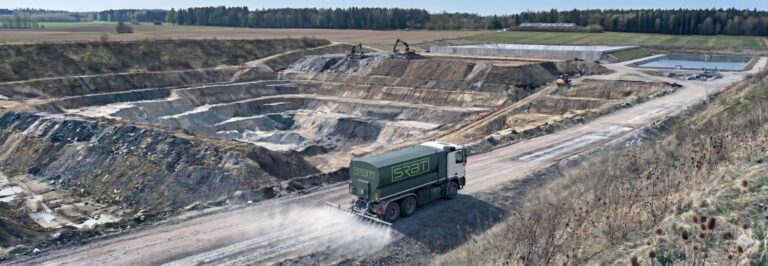
How substrate, traffic, climate and environmental constraints determine the right surface-control system
Read more →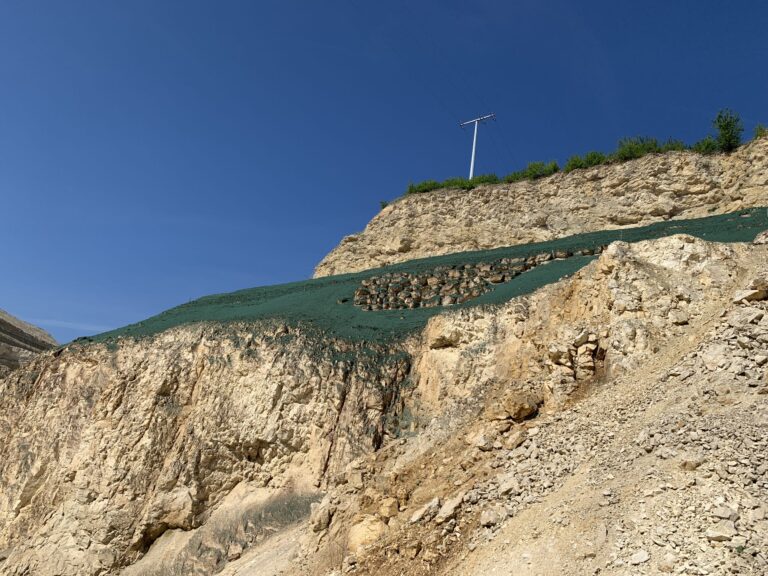
Why stable landforms, characterized substrates and a defined post-mining land use must come before vegetation establishment
Read more →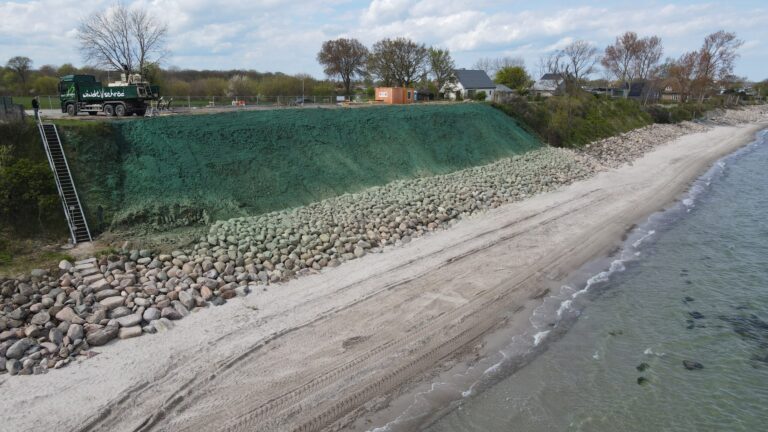
Why structural stability, drainage, surface preparation and vegetation must be designed as coordinated but separate functions
Read more →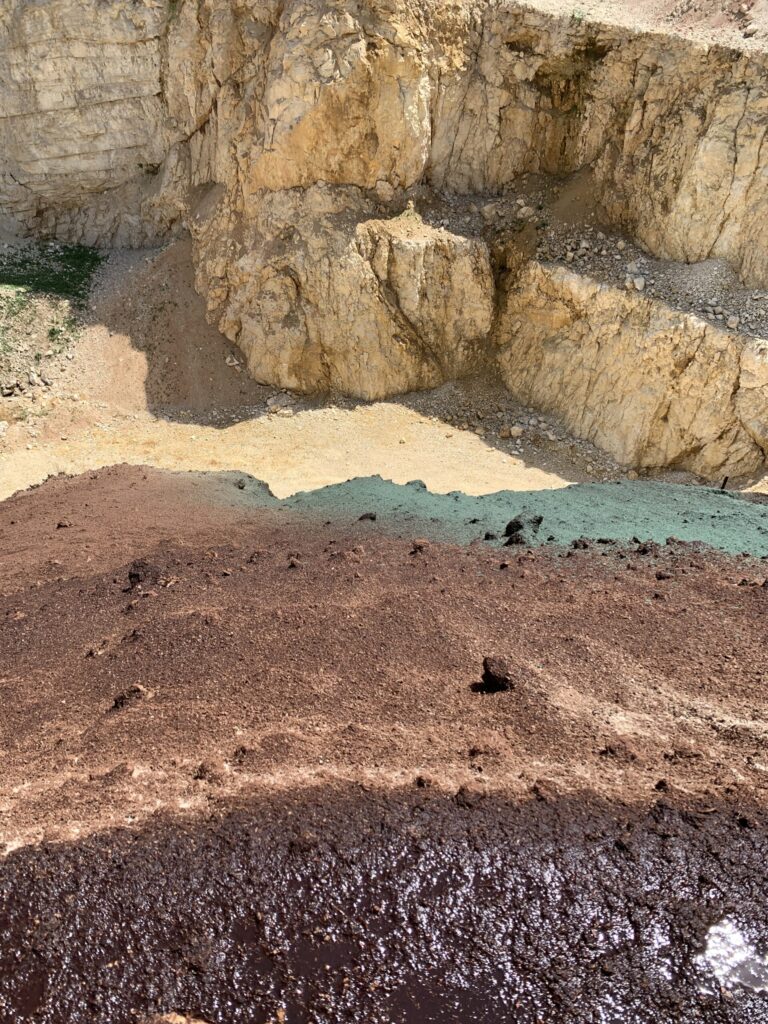
How temporary surface protection can limit erosion without compromising the later reuse of excavated mineral material
Read more →Why three related surface problems can require different—and sometimes opposing—technical solutions
Read more →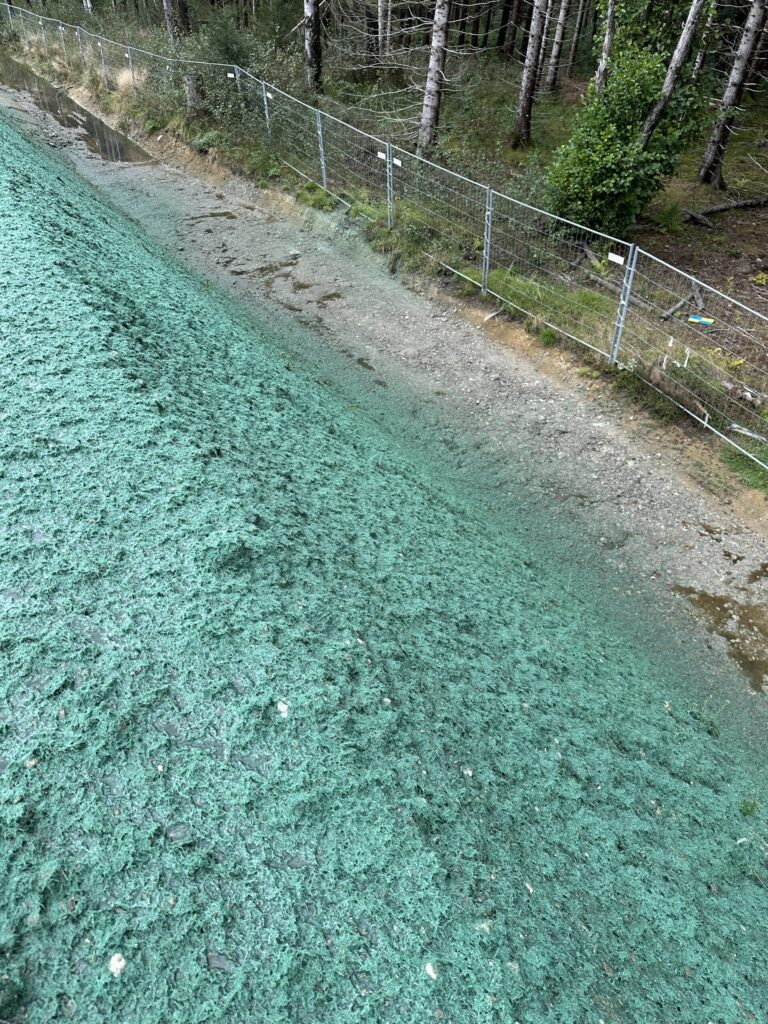
How material origin, binding mechanism, environmental behavior and mechanical reinforcement determine the right surface system
Read more →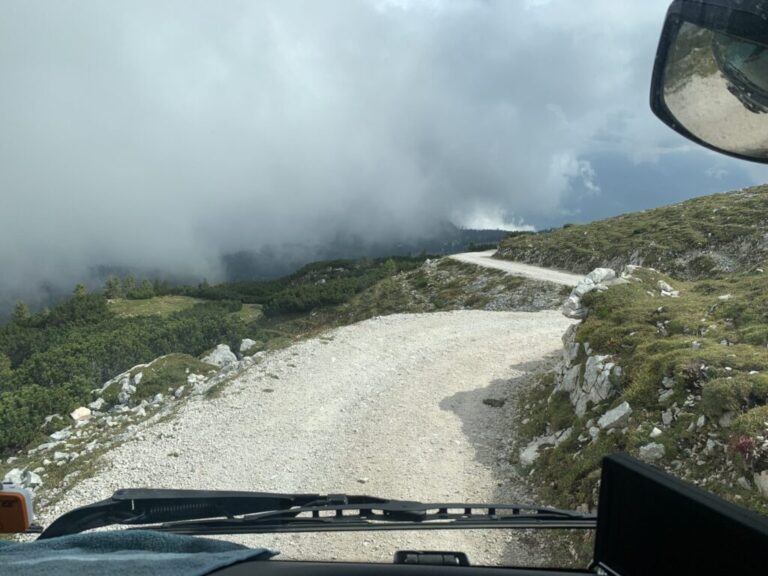
Why burned slopes require rapid surface protection before rainfall mobilizes ash, soil and sediment
Read more →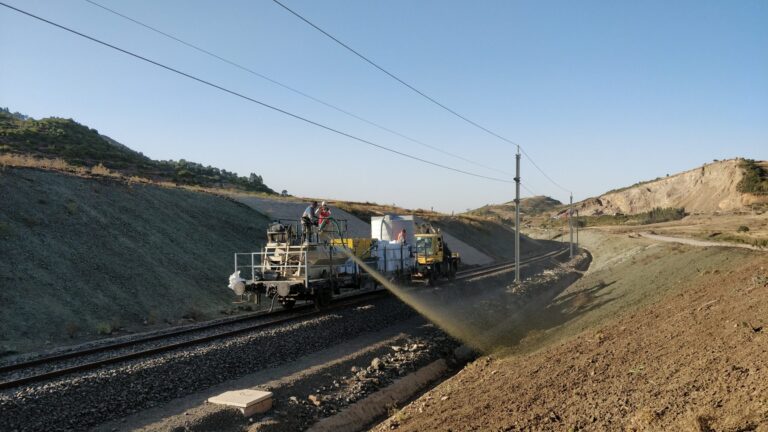
How fibers, superabsorbent polymers and emerging biobased hydrogels manage water—and why absorption capacity alone does not determine plant availability
Read more →Technical articles
Technical analyses, method comparisons and findings from day-to-day revegetation work.
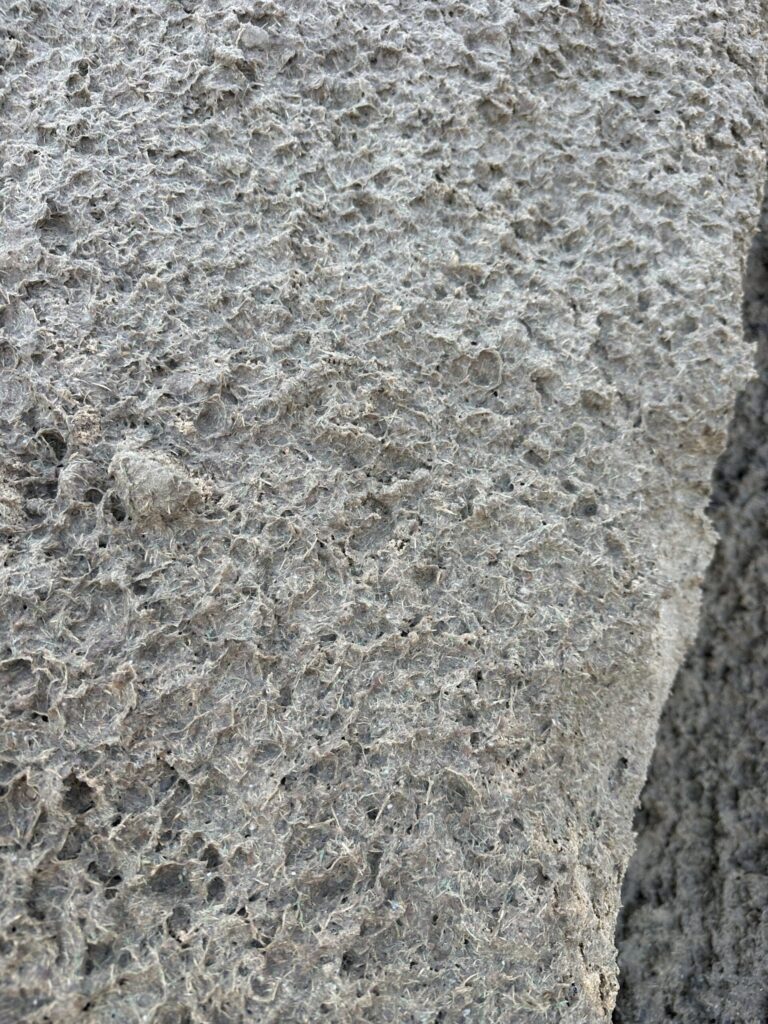
Cement and lime have dominated soil stabilization for decades. They are proven but not universal — and their carbon footprint is considerable. Polymers offer a fundamentally different approach to stabilization: flexible in use, fast-acting, applicable on a range of soil types. Telling synthetic and natural polymer systems apart is not…
Read more →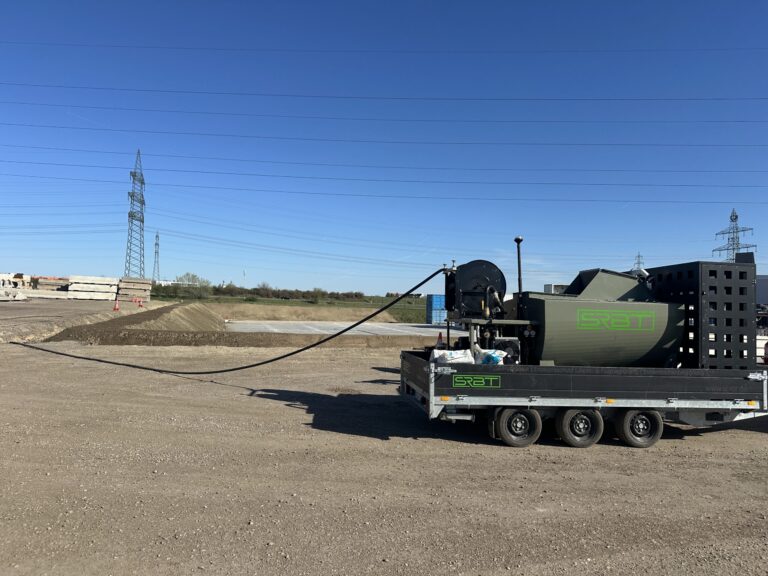
Unpaved areas in gravel plants, on landfills, at site access roads and on works grounds generate dust, material loss and rutting. The classic answers — cement, bitumen, water spraying — are either expensive, ecologically problematic or ineffective in the long run. Hydraulically applied biopolymer systems take a different route: they…
Read more →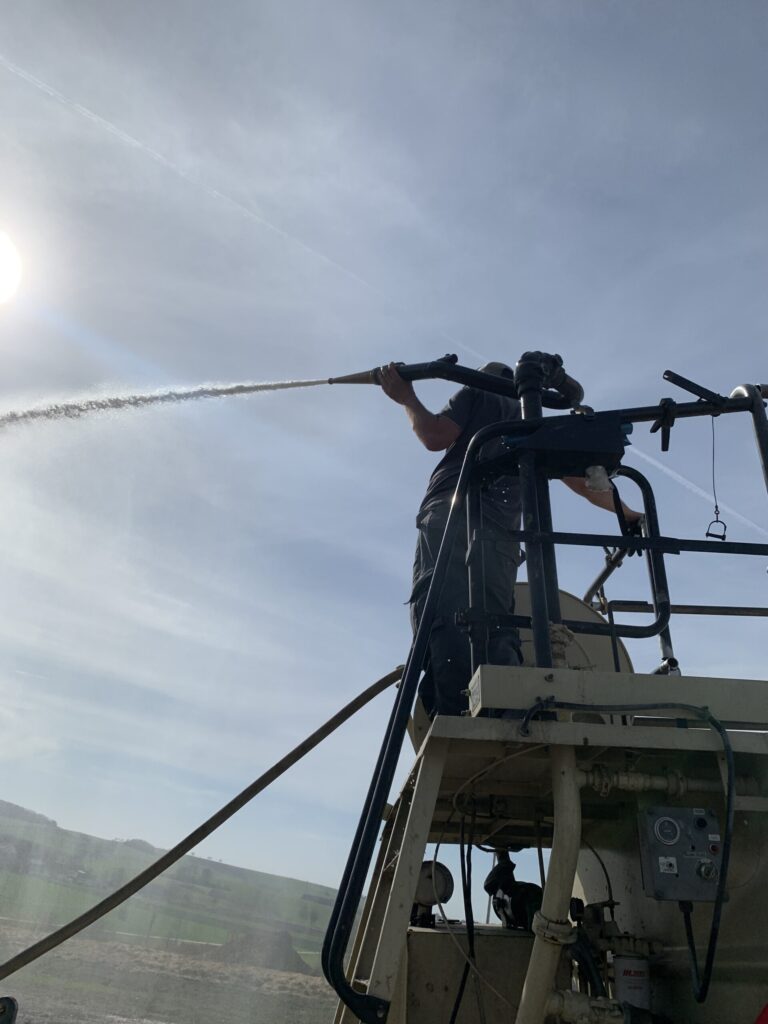
Area covered per tank load is the most important economic lever in hydraulic application. The less material needed per square metre, the more ground one tank covers — and the lower the material cost, travel time and logistics. The temptation to cut the application rate is therefore ever-present. When that…
Read more →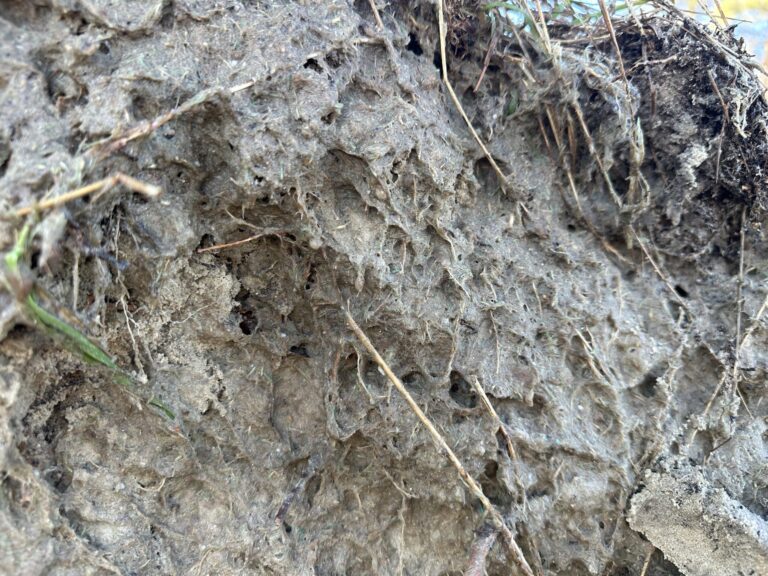
Conventional hydraulic seeding systems address the soil surface — they protect it, moisten it and hold the seed in place. Whatever the germination layer itself lacks is left to the substrate. For most sites that is enough. On special sites with low cation exchange capacity, saline irrigation water or extreme…
Read more →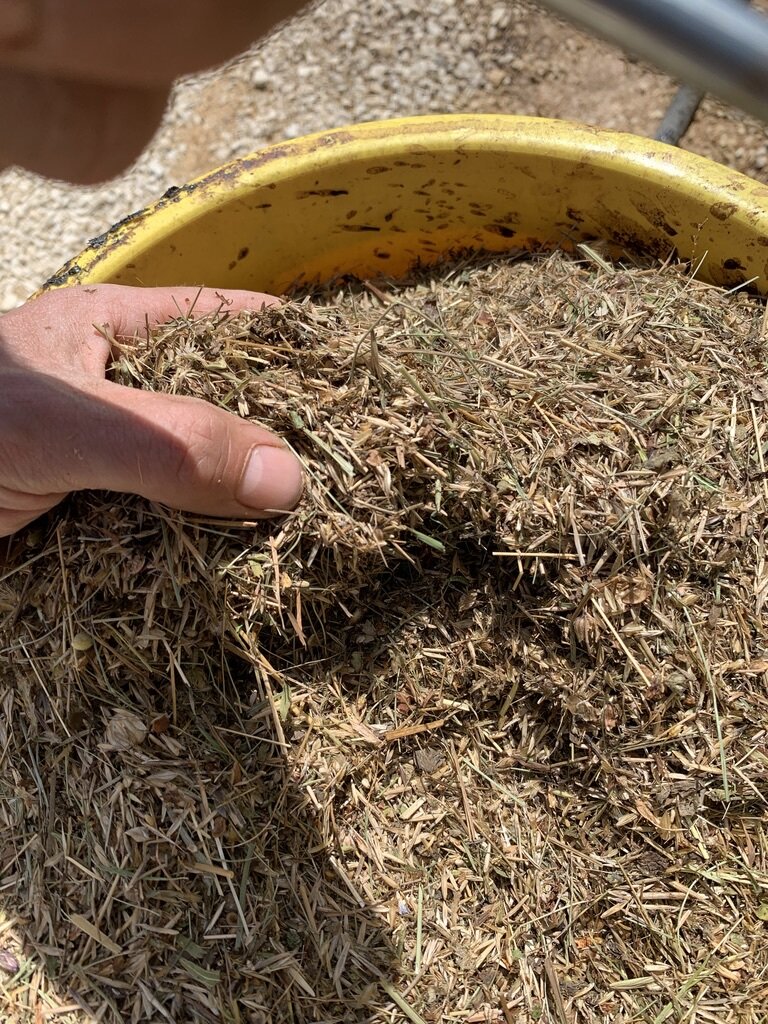
Wood fiber is the largest component by volume in hydraulic application — and at the same time the one least differentiated in tenders. The market offers a wide quality range under largely the same name. Which fiber properties actually decide splash protection, water retention and seedling development — and why…
Read more →
Hydraulic seeding is not a simple mix of water, fiber and seed. Modern formulations are built on three functionally different working layers that interlock: a physical fiber matrix, a biopolymer network and — in specialized systems — a reactive mineral phase. The operating principle of those layers can be explained.…
Read more →
The Alps are not a wilderness archive. They have been shaped for centuries by alpine farming, grazing and increasingly by tourism. At the same time alpine plant communities are among the most species-rich and ecologically sensitive habitats in Europe. Reconciling the two — keeping farming and tourism in use while…
Read more →
Slopes in civil engineering are not one homogeneous category. They differ in gradient, substrate, aspect and loading from water and traffic — and therefore in what protection and revegetation have to achieve. This article describes the technically relevant slope types, the criteria for choosing a method, and one aspect that…
Read more →
Revegetation rarely fails because the wrong method was chosen. It fails more often because the soil it is applied to was not understood. Pedogenesis — the science of soil formation — provides the basis for classifying substrates on a construction project correctly, assessing how far they have developed and deriving…
Read more →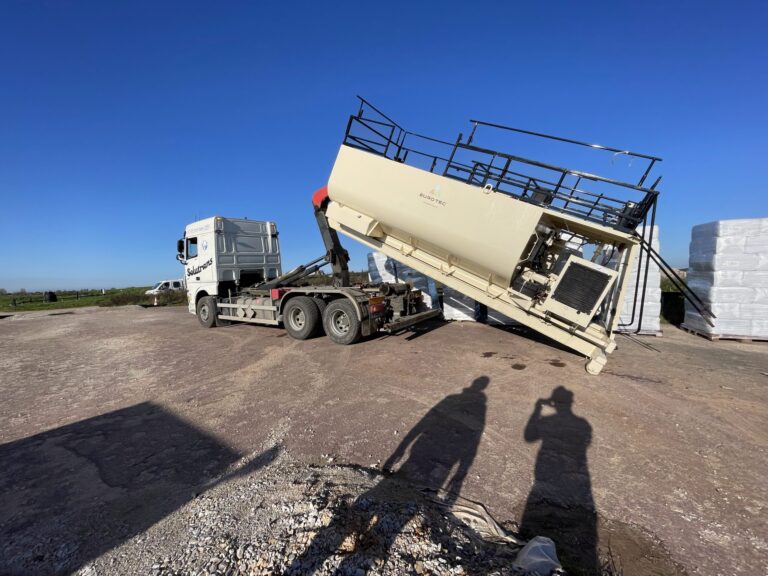
Hydroseeding is now the most widely used mechanized revegetation method in civil engineering. The term, however, does not describe one single method but a group of application methods with different mixture recipes, machine configurations and quality requirements. This article sets out the technical basics, takes a critical look at common…
Read more →