Equipment

Equipment for Contractors & Market Entry

A structured qualification pathway for building hydraulic-application capability in new or developing markets.

Equipment

From equipment access to operational capability

Entering the hydroseeding and hydraulic-application market requires more than selecting a machine. Equipment, materials, crews, logistics and quality-control procedures must function as one operating system.

The SRBT qualification pathway begins with the contractor's intended applications and market conditions. This includes project types, expected treatment areas, available carrier vehicles, water logistics, terrain, pumping requirements and the material systems the contractor plans to apply.

Equipment assessment then determines whether the proposed hydroseeder, hydromulching unit or fleet configuration is suitable for those requirements. The evaluation considers tank capacity, agitation, pump architecture, material handling, application distance, output and serviceability.
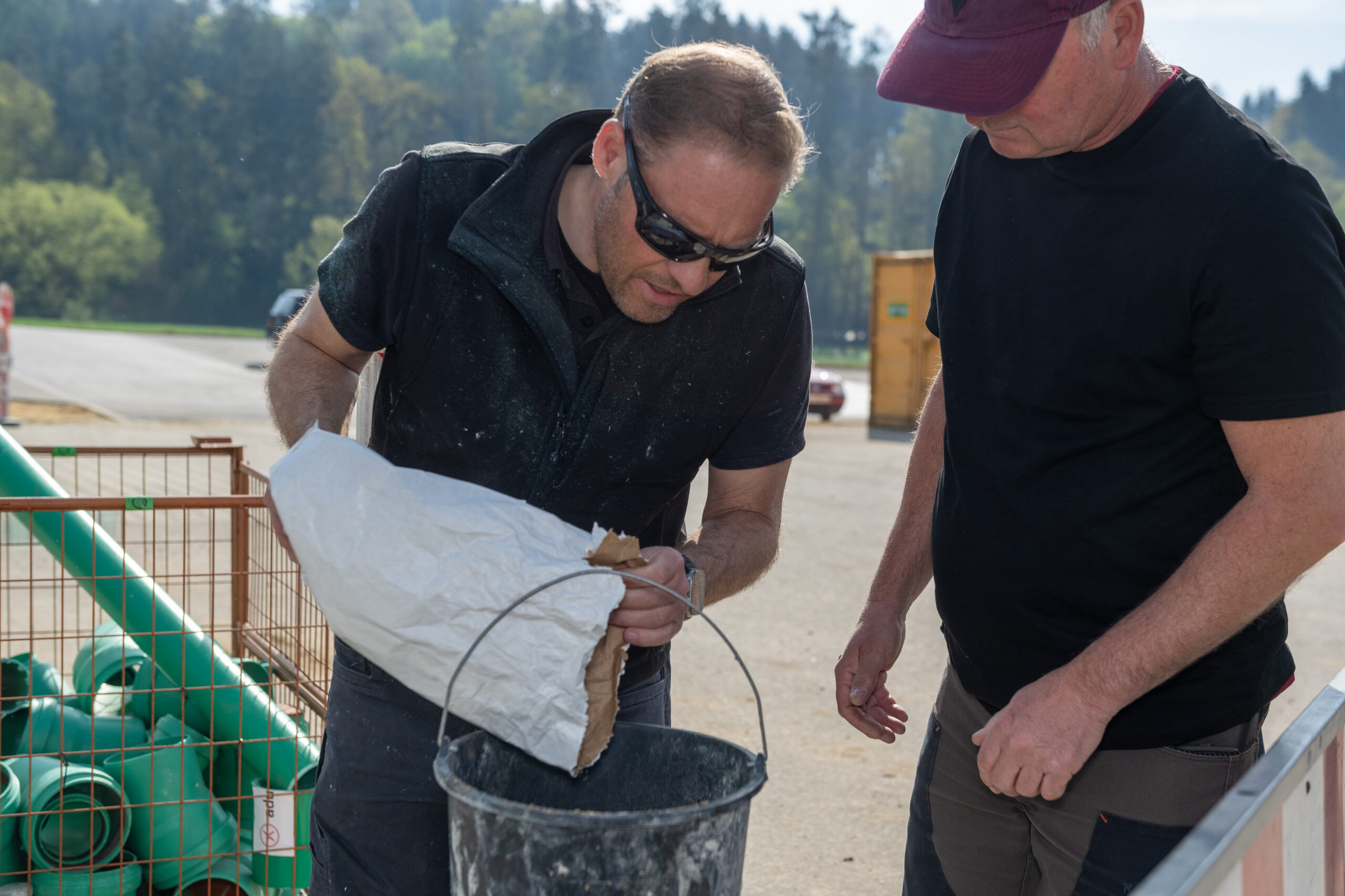
Process training connects the equipment with practical delivery. It covers material preparation, mixing sequence, slurry control, equipment operation, application technique, coverage verification, documentation, cleaning and maintenance. Proprietary formulations remain project-specific.

Where appropriate, the pathway can include support during initial projects. The objective is to help the contractor transfer training into controlled field execution—not to hand over equipment or materials as a technical black box.

Inspecting hydroseeding material on site

Fields of application

Application context

New market entrants

Contractors entering hydraulic application need a realistic definition of their initial service range. Qualification aligns equipment, crew capability, local demand and achievable project types before the operating model is expanded.

Fleet expansion

Established contractors may add equipment or material capabilities to move beyond conventional revegetation. This can create pathways into dust control, temporary surface protection and industrial surface management where the required competence is demonstrated.

Training & standards

Repeatable outcomes require documented preparation, application and quality-control procedures. Training establishes how materials and machines are used together and which field parameters must be checked rather than leaving performance to operator intuition.

Regional partners

Qualified contractors may become candidates for cooperation within an international delivery network. Any regional role depends on technical capability, project requirements, quality performance and separate commercial agreement; participation in training does not create a partnership commitment.

Fields of application

The qualification pathway

1. Requirements definition

Define the target market, applications, expected project scale, available resources and operational constraints.

2. Equipment and process assessment

Evaluate the proposed fleet, material-handling capability, pumping requirements and quality-control procedures against the intended work.

3. Training plan

Establish the required technical modules, practical exercises, operator responsibilities and criteria for demonstrating application capability.

4. Initial market and project support

Where appropriate, support the transition into first applications through planning, technical review and field-oriented guidance. The scope is defined for each contractor and project. Qualification is not a general certification, equipment-sale condition or guarantee of future projects. It is a structured process for determining whether a contractor can deliver defined hydraulic applications to the required technical standard.

Any questions?

A project, a partnership or a research collaboration — get in touch by phone or email.