Services
Services
Fields of application
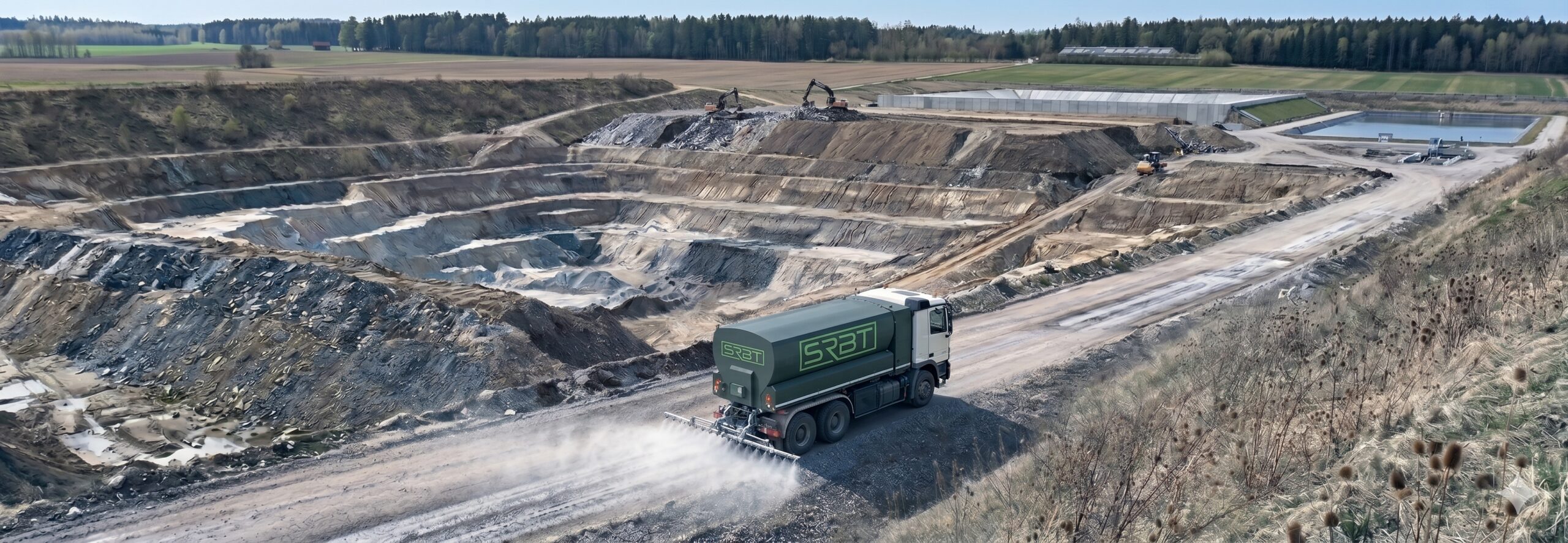
From temporary emission control on a construction site to permanent dust binding under heavy haul traffic in active mines — hydraulically applied binder systems as an alternative to water spraying. Nature-based and fully biodegradable.
Requirements for durability, load profile and regulatory compliance differ considerably from one context to the next. SRBT configures formulation and application concept per project.
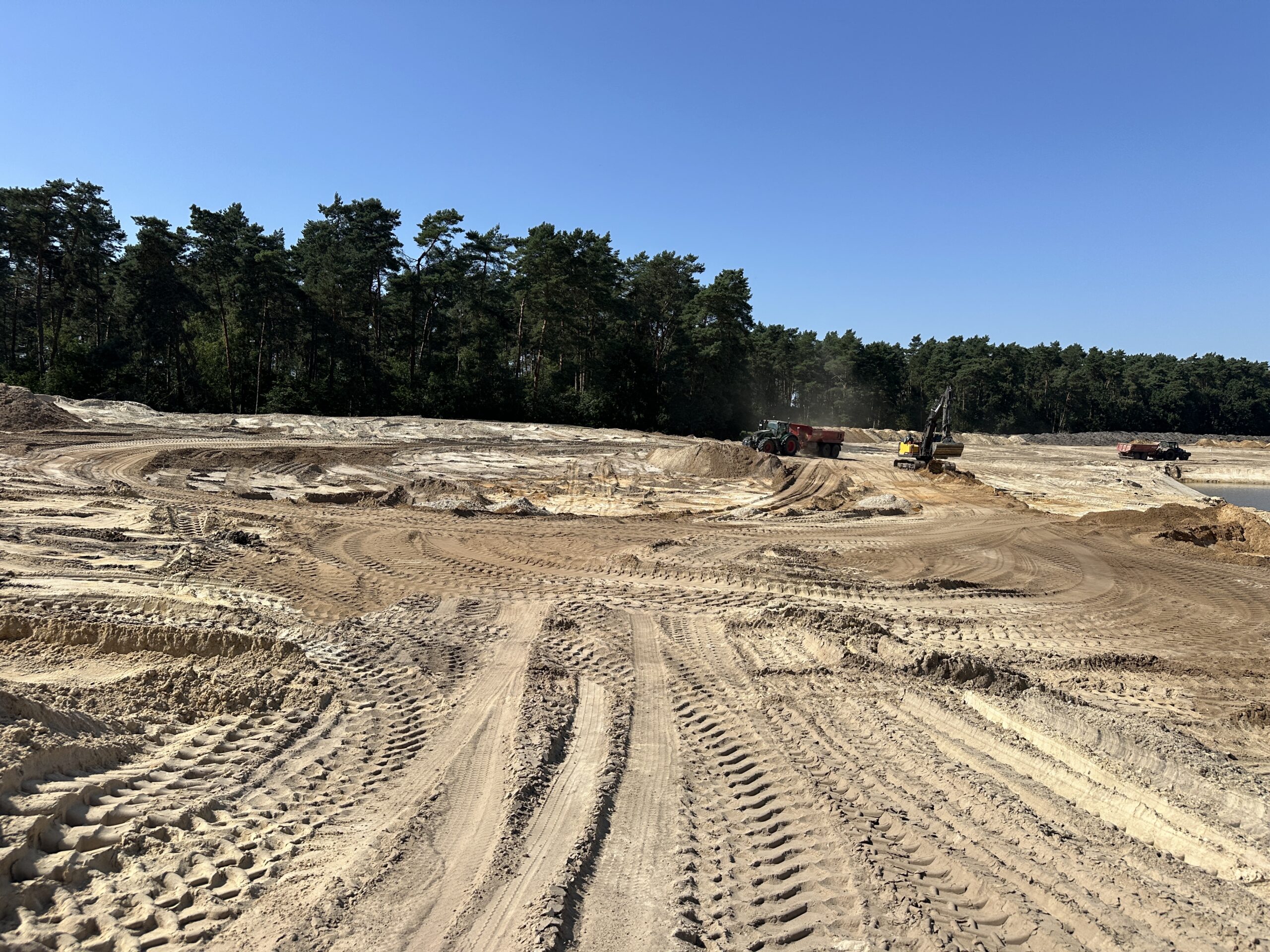
Temporary emission control on open working areas. A single treatment replaces resource-intensive continuous wetting by water trucks.
Dust binding plus shear strength under vehicle traffic. A mineral-fiber composite delivers long reapplication intervals even where heavy machinery runs regularly.
Dust control as an ongoing operational task with defined reapplication intervals. Application concepts are built from traffic volume, heavy-load class and local climate conditions.
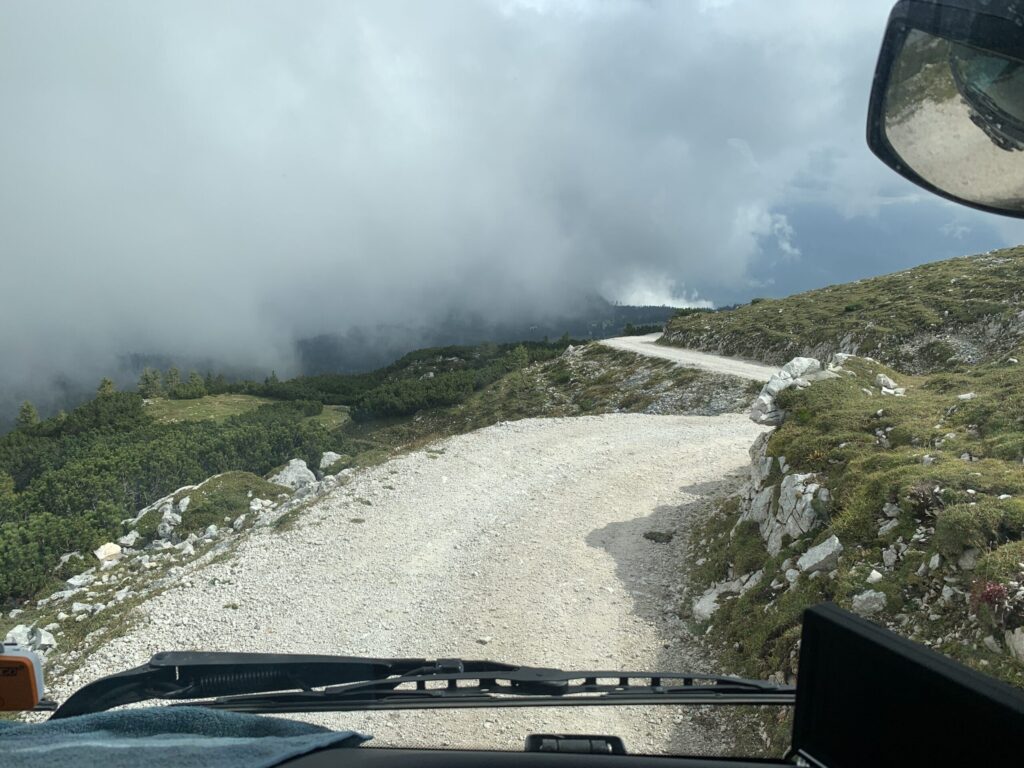
Track stabilization and dust binding in a single pass. Frost-flexible formulations for sites with freeze-thaw cycles — no cracking after frost.
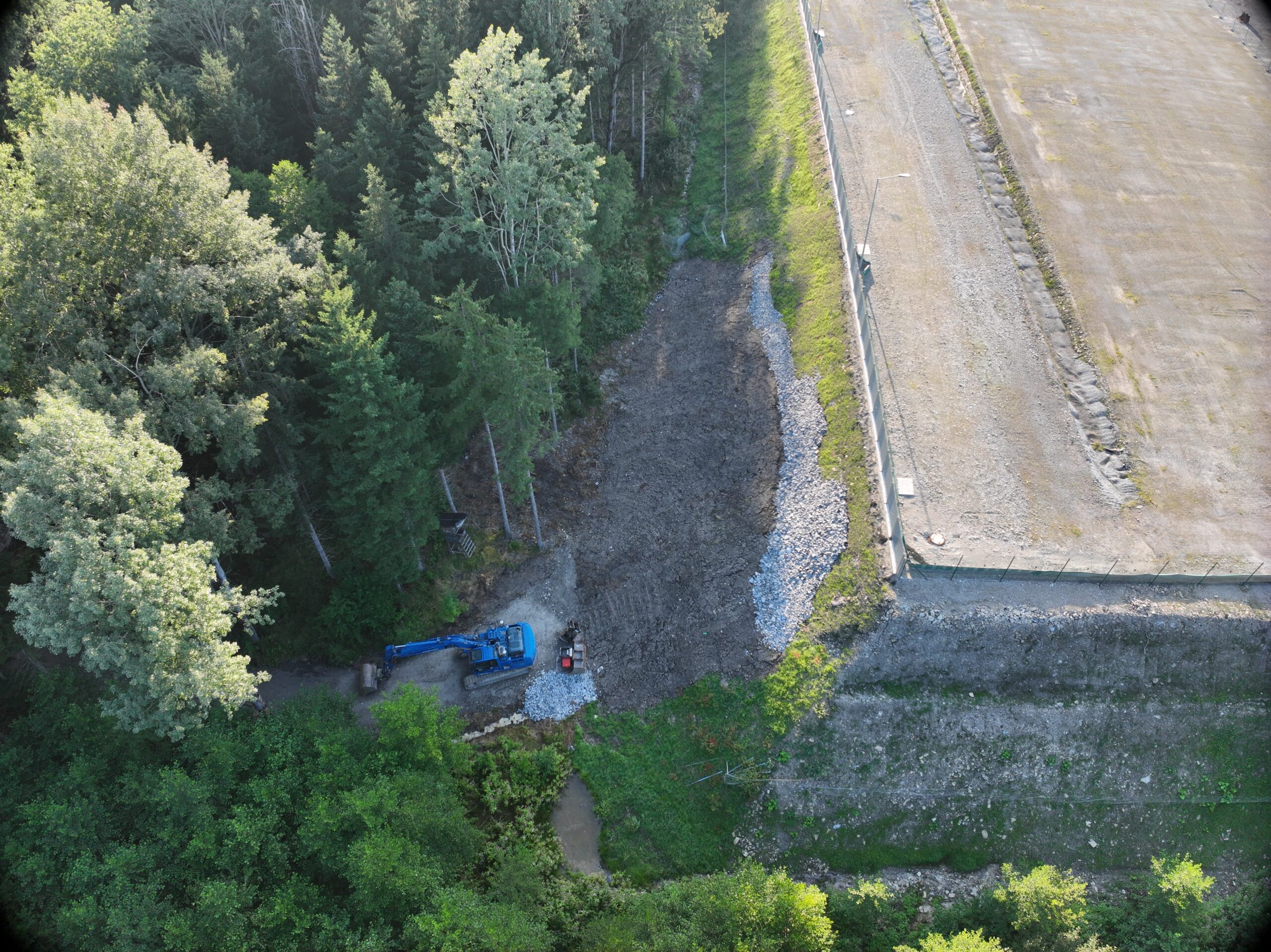
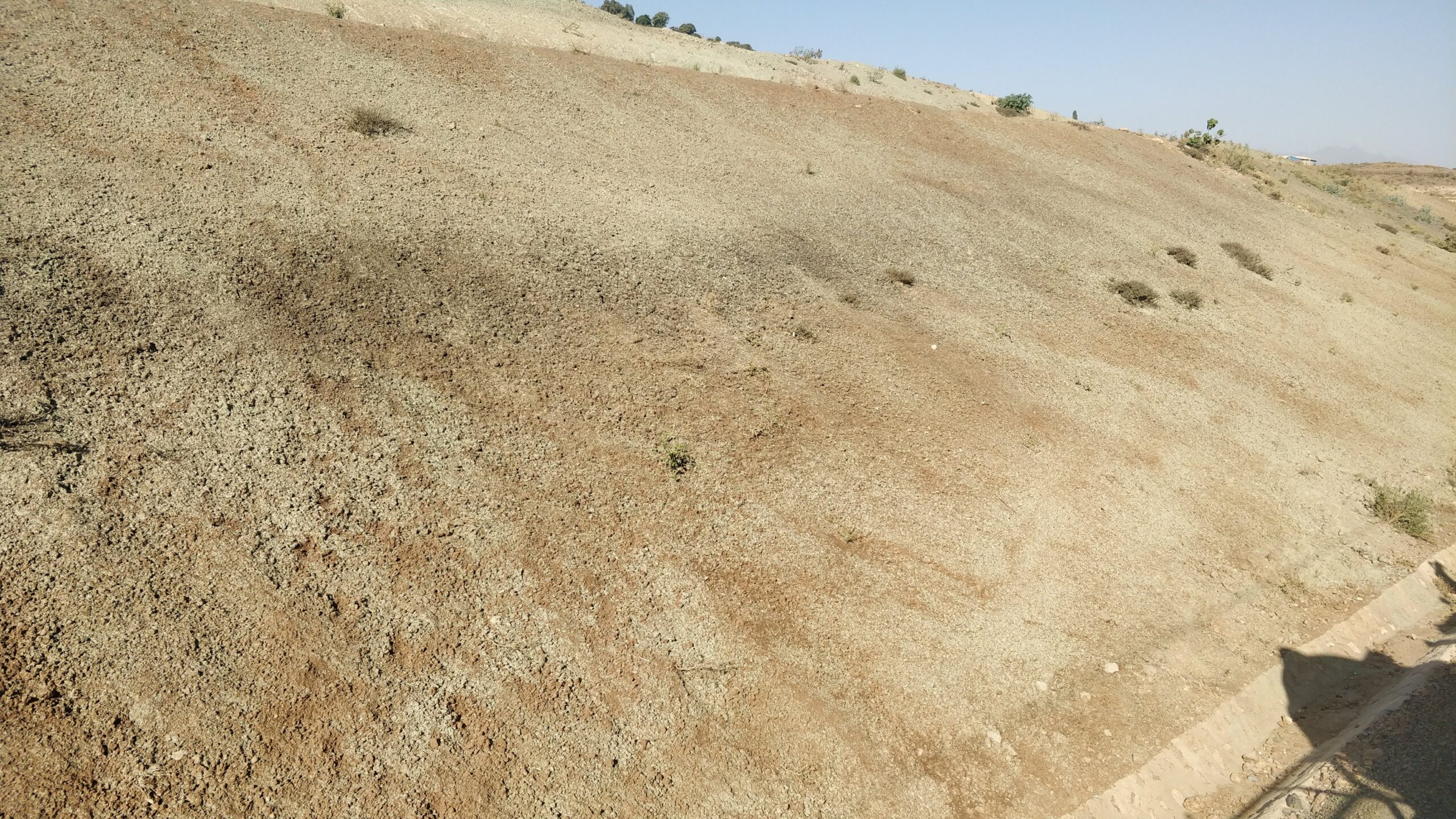
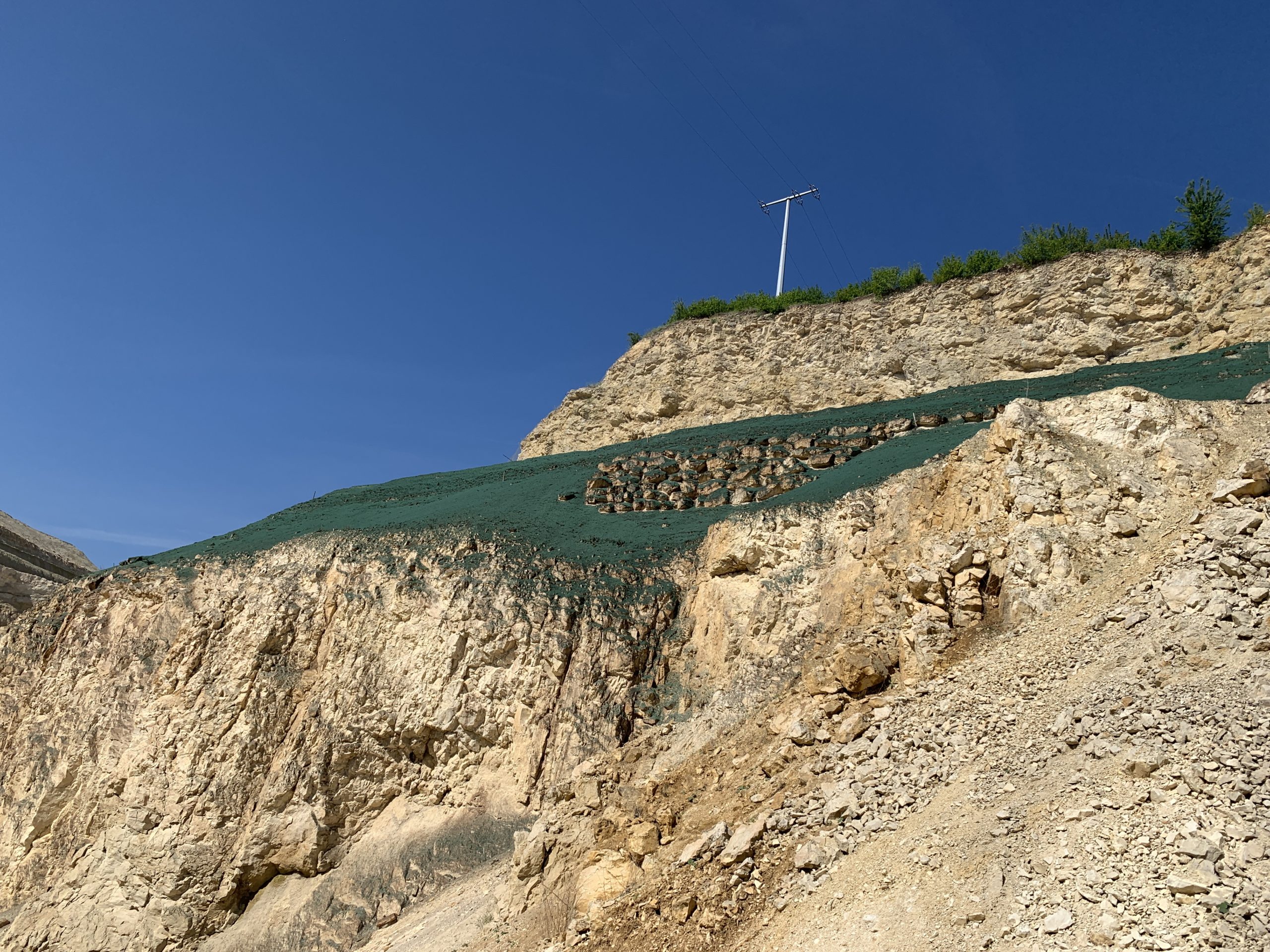
Dust binding and erosion control combined on heap surfaces. Depending on the project phase, either temporary treatment or preparation for later reclamation. All formulations biodegradable.
Wind-driven sand movement — nature-based binder systems without synthetic polymers, approvable in Natura 2000 sites and nature reserves.
Systems in use
A film-forming biopolymer formulation — particles are fixed in place and cannot be lifted by wind. Temporary service life, nothing to remove afterwards, fully biodegradable. For construction sites and short-term measures.
View system →Mineral additives close the pore spaces while the biopolymer binder forms a durable crust. Stable under increased wind load and regular traffic. For gravel plants, mines and spoil heaps.
View system →An elastic binder matrix accommodates frost expansion — no cracking after freeze-thaw cycles. For water-bound surfacings, recreational facilities and alpine forest roads.
View system →Our approach
Grain size, cohesion, traffic class, climate conditions and the constraints of the site determine the operating principle and the formulation.
Reapplication intervals are defined per project from field test data — not as a blanket figure. For continuous operations: a maintenance concept with defined cycles.
Hydraulic application with our own machinery. Performance documentation documented in a form that can be submitted as evidence of the measure.
Tell us the substrate, the service life required and the load profile — we will recommend a suitable system.