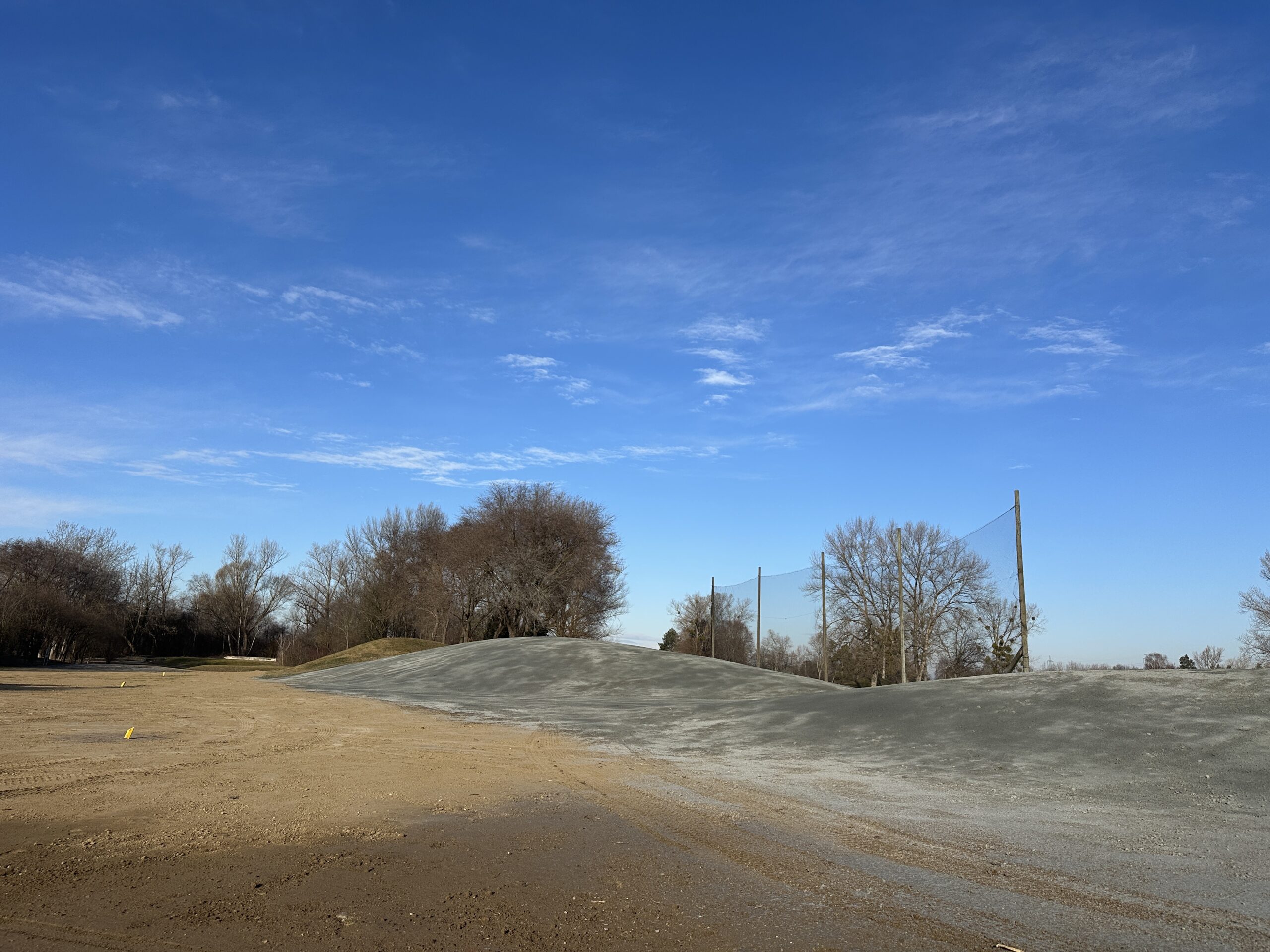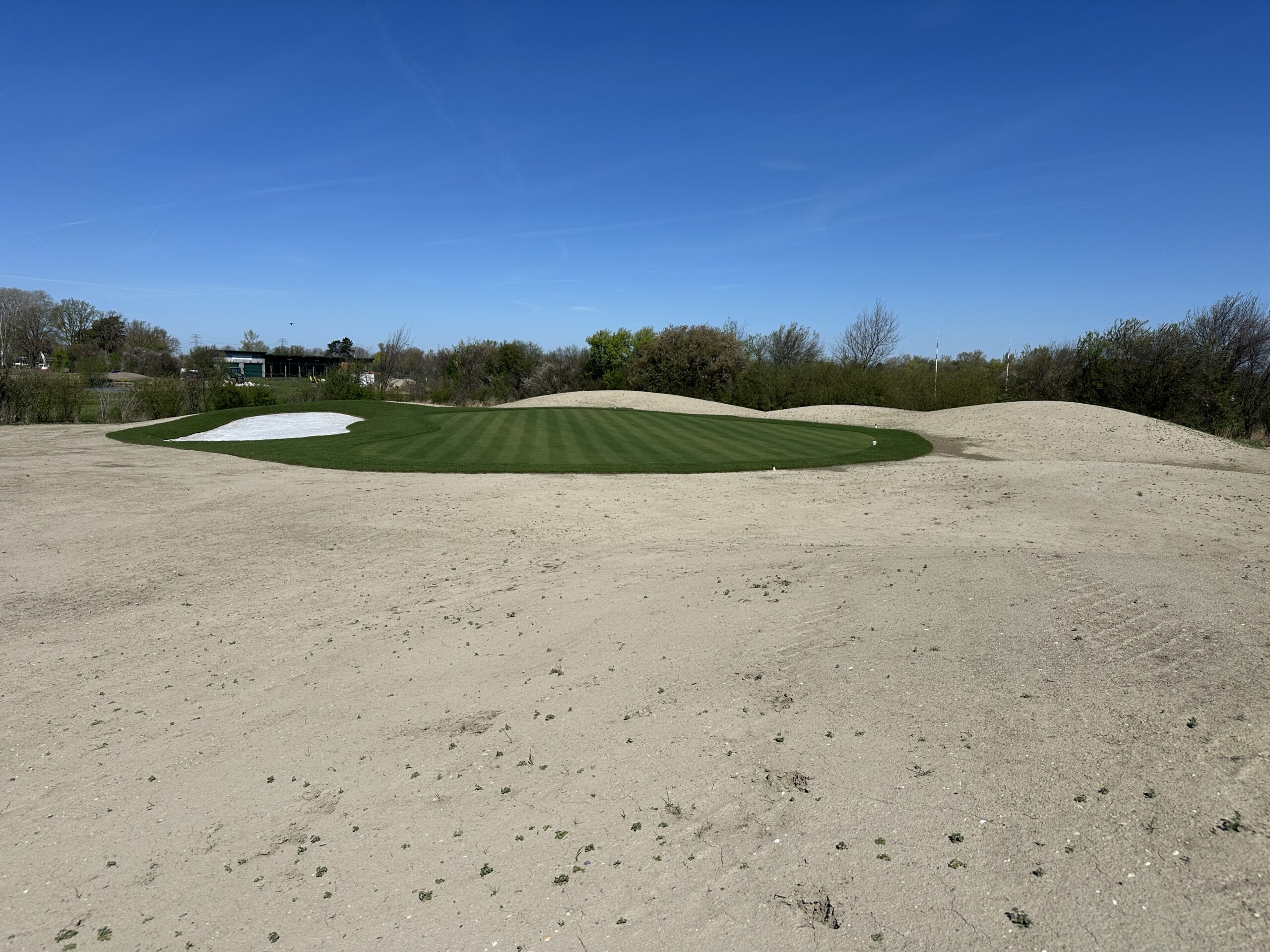
Services

Golf Course Hydroseeding

Fields of application

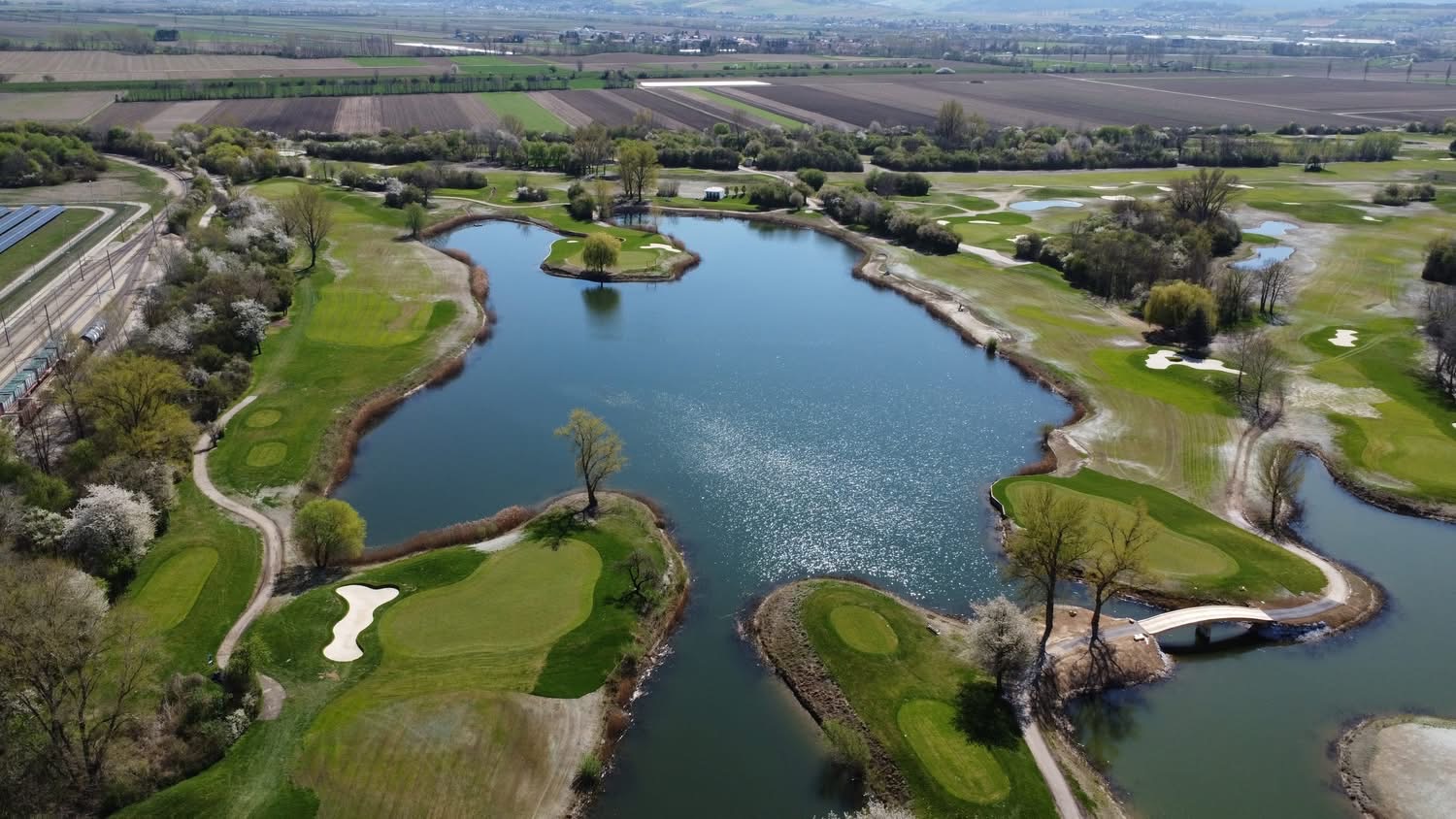
Golf course construction — requirements by area type.

Hydraulically applied revegetation systems for golf courses and sports facilities — new construction, establishment and renovation to USGA standards. SRBT brings hands-on golf course construction experience: formulations that leave no residues in the rootzone, standard-compliant materials and fast establishment without disrupting play.

Playing surfaces, slopes, roughs and biodiversity areas make different demands. SRBT configures formulation and seed for the specific area type.

Fairway Golf hydroseeding Green USGA standard Tee Hydroseeding Bunker Rough Species-rich Biodiversity Provenance seed Pond Slope Erosion control Zoning of areas Green USGA · residue-free Tee Golf hydroseeding Fairway Golf hydroseeding Rough Species-rich mixture Bunker Slope revegetation Biodiversity area Provenance seed Water body Fully biodegradable Slope Erosion control
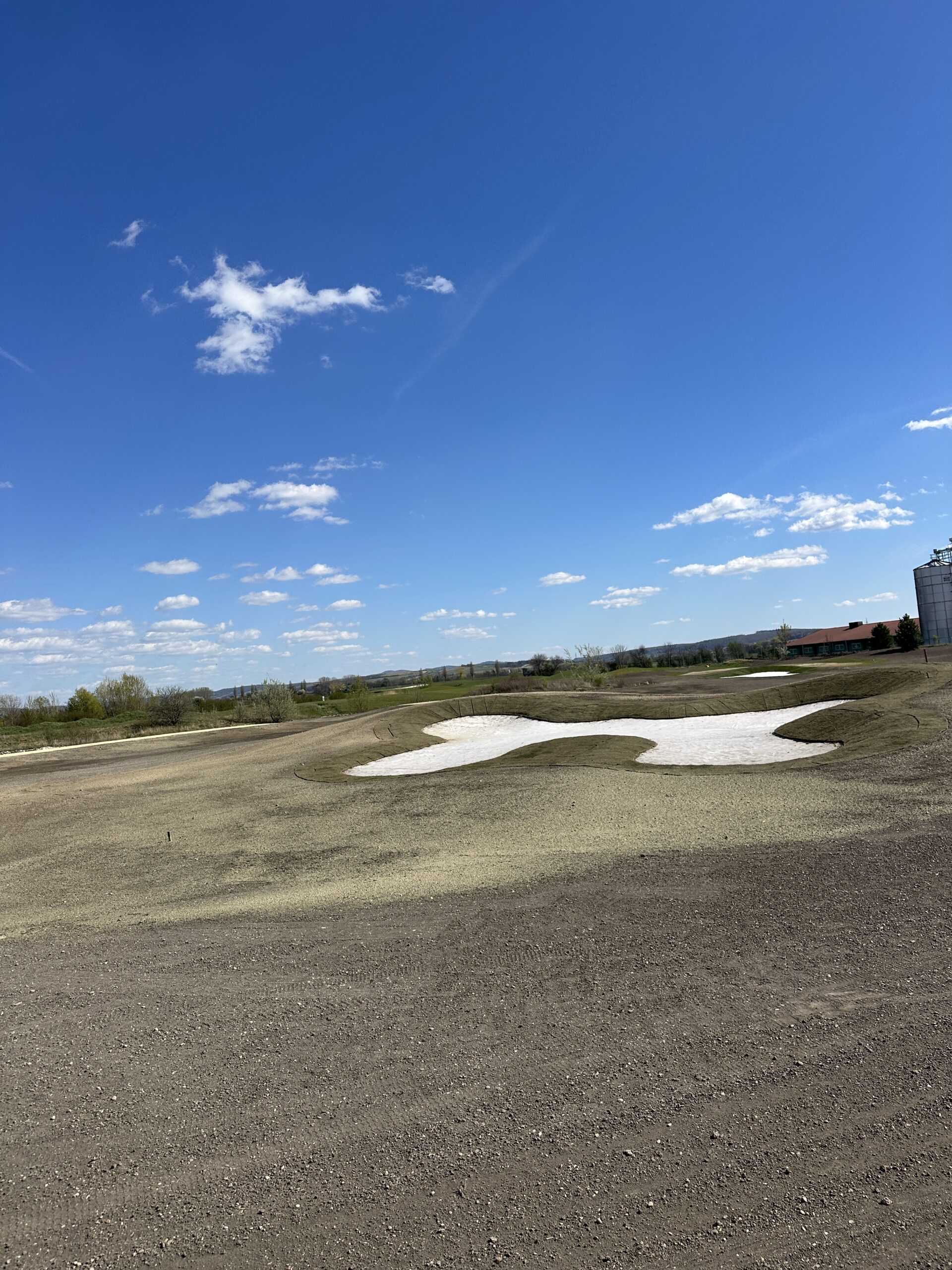
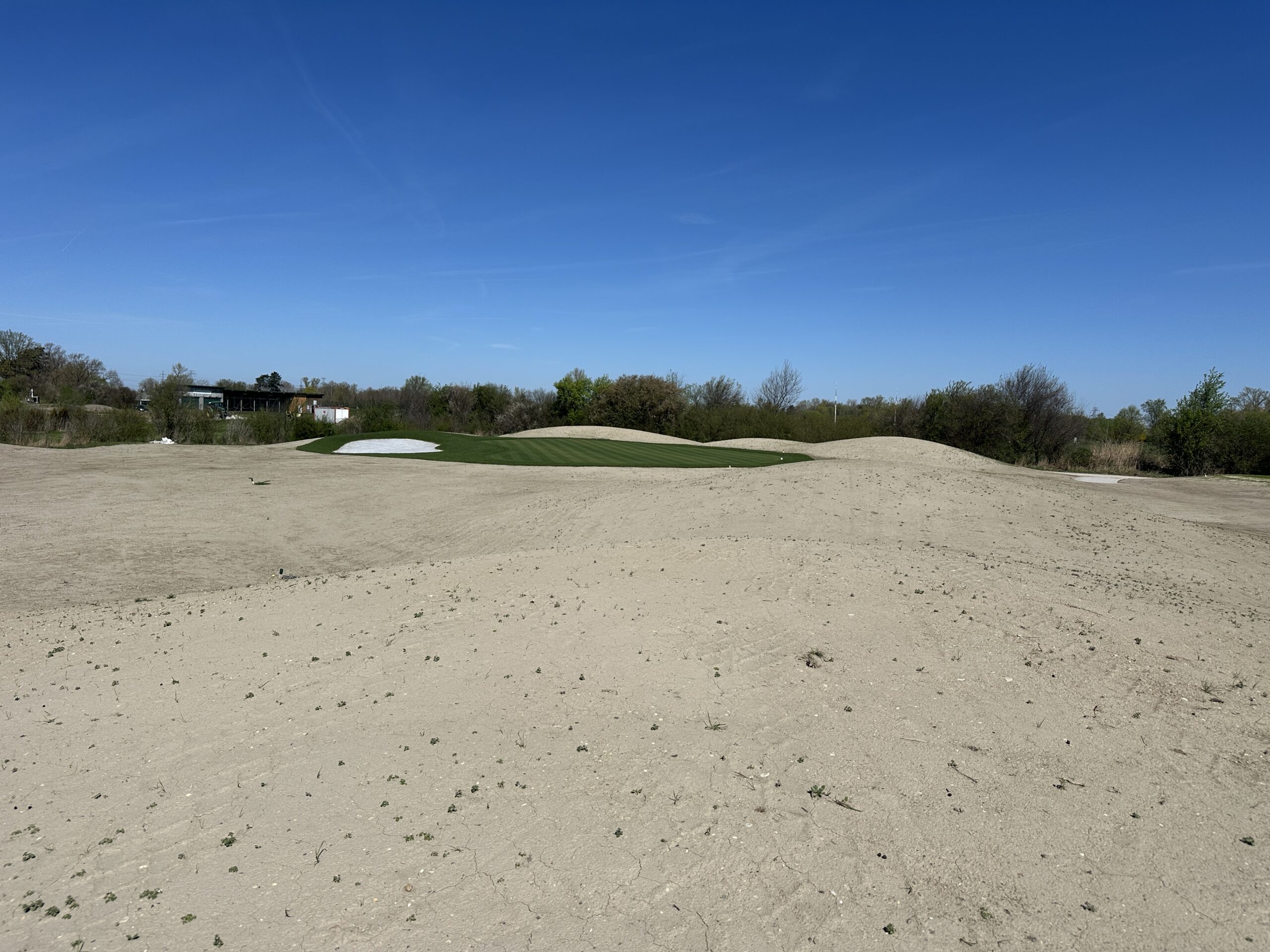
New construction — fairways, tees & greens

Time-critical vegetation establishment on new playing surfaces. Hydraulically applied carrier systems distribute seed evenly and accelerate establishment while meeting USGA requirements.

USGA Recommendations
High-performance turf — greens & tees

Cylinder mowers and intensive maintenance leave no room for residues in the rootzone. SRBT formulates carrier systems that improve seedbed conditions without getting in the way of the maintenance programme.

USGA
Slopes & roughs

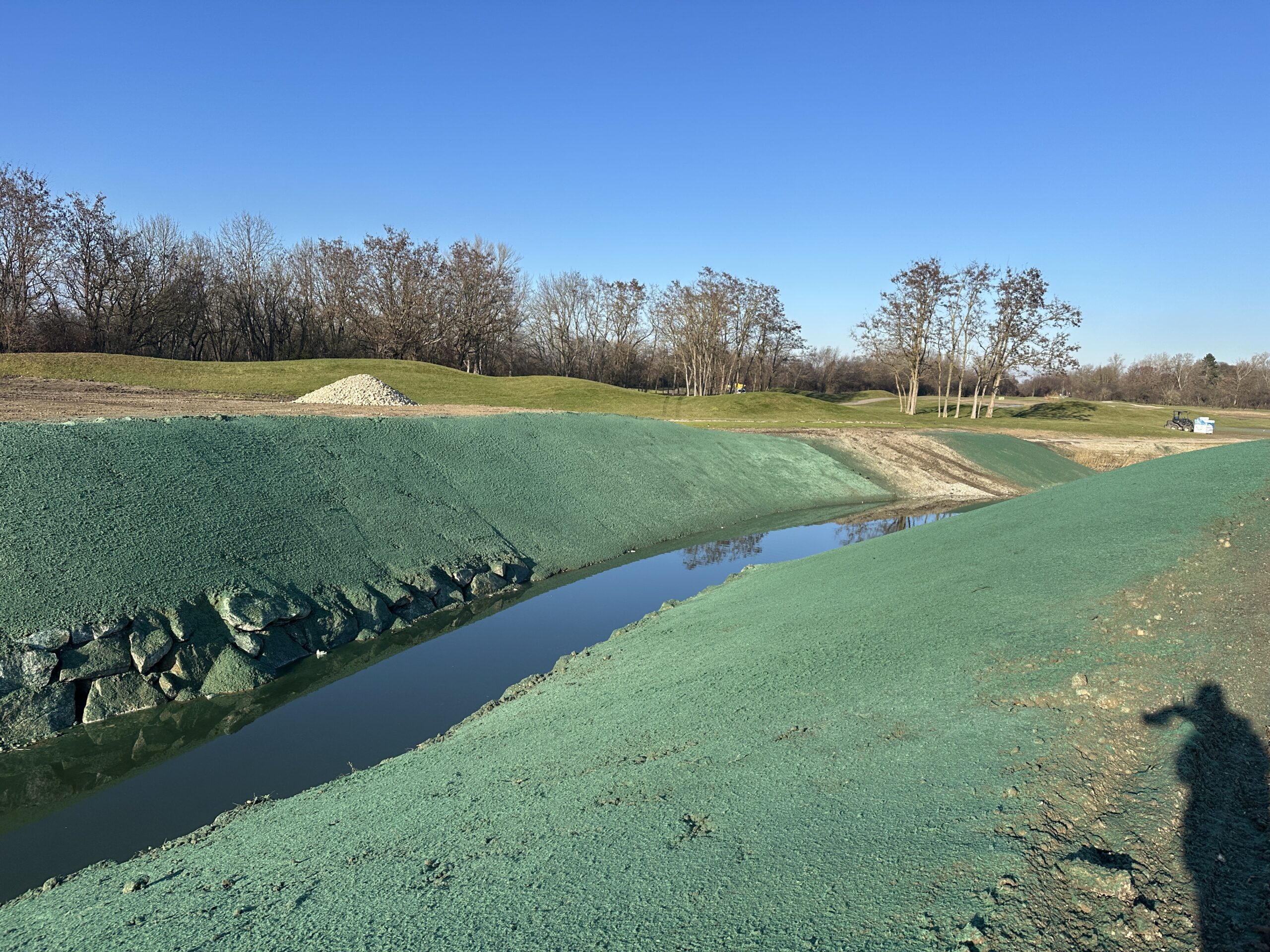
Slope faces, roughs and shaped ground need erosion protection to take effect while vegetation is still establishing. Fiber-reinforced hydroseeding systems for steep areas.

Renovation & repair

Damaged playing surfaces and eroded slope areas — repair work that interferes with play as little as possible. Rapid establishment is the primary objective.

USGA
Biodiversity areas & natural zones

Species-rich target communities as ecological value on a golf course — site-typical regional provenance seed and nutrient-poor formulations for dry grassland and wildflower communities.

Sports turf

Football pitches, athletics facilities and multi-sport areas — rapid establishment, high wear tolerance and standard-compliant materials that leave no residues in the rootzone.

Material requirements

Why material selection decides the outcome in golf course construction.

Golf hydroseeding, hydraulic seeding on golf courses and hydraulically applied revegetation make different demands depending on the area type. What they have in common: no residues in the rootzone, fully biodegradable formulations near water, and seed mixtures that meet the relevant standards.

Criterion Playing surfaces (green, tee, fairway) Roughs & slopes
Freedom from residues ✓ Fully broken down before mowing starts ✓ Biodegradable, nothing to remove
Standards compliance ✓ USGA Recommendations documented ✓ Documented to specification
Seed Single-variety grass mixtures to USGA, free of weed contamination Species-rich mixtures · site-typical regional provenance seed
Persistence ✓ Fully biodegradable, no residue ✓ Biodegradable formulations mandatory where water bodies adjoin
Erosion control Fiber-reinforced formulation effective from the day of application Hydraulic up to 45°; erosion control matrix on steep areas
Seed distribution Even, through hydraulic application — no segregation, no wash-out Even · no segregation in heavy rain

Profile build-up

The USGA profile — where golf hydroseeding comes in.

The USGA profile is the international reference for golf greens and heavily used playing surfaces. Golf hydroseeding applies the seed and carrier system directly onto the finished rootzone layer — even distribution, no segregation, and residue-free breakdown before the first cut.

USGA profile Vegetation cover · mulch layer Golf hydroseeding · hydraulic seeding Rootzone layer (USGA sand) 300 mm · to standard Intermediate layer (gravel bed) 100 mm Drainage system Perforated pipes Subgrade / formation Load-bearing ground Golf hydroseeding — hydraulically applied, even seed distribution, residue-free before mowing starts USGA rootzone — sand build-up to standard, tested materials, fully documented

Establishment

From application to playable again.

Hydraulically applied revegetation on golf courses protects the surface from day one — independently of germination or vegetation development. As establishment progresses, the root matrix takes over the stabilizing function and the carrier material breaks down biologically without leaving residues.

Surfaces are typically playable again after 6–8 weeks — depending on temperature, seed mixture and irrigation. SRBT schedules the work around the playing calendar.

01 Application Day 1 02 Germination Week 1–2 03 Establishment Week 3–6 04 Play resumes from week 6–8 100% 75% 50% 25% 0% Ground cover Day 1 Wk 1 Wk 3 Wk 6–8 Season Hydraulic application Protection from day 1 Germination 7–14 days Closed cover Mulch has broken down Playable again USGA compliant Vegetation development after golf hydroseeding — temperature, seed and irrigation determine how long it takes Play resumes — after full establishment and once the carrier material has broken down

Our approach

A standard-compliant system — from new build to renovation.

01
Area analysis & standards alignment

Area type, standard (USGA), maintenance intensity and schedule determine the formulation and the seed selection. Close coordination with the course architect and greenkeeper.

02
Formulation & seed

Carrier system, biopolymer binder and seed mixture are matched to the area type and the applicable standard. Freedom from residues and breakdown before mowing starts are documented.

03
Execution & acceptance

Own machinery and trained crews. Work is coordinated with construction progress and play. Documentation to USGA for acceptance by the course architect.

Enquire about golf hydroseeding.

Tell us the area type and the standard — we will recommend a suitable system.