Applications

Wildfire Recovery

Post-fire erosion-control and revegetation systems for exposed slopes and burned watersheds.

Application

The critical window after a fire

Wildfire can remove the vegetation, litter and root structures that previously protected a surface from rainfall and runoff. The resulting ground may be covered by ash, exposed mineral soil or partially burned organic material, with little remaining surface roughness to slow water movement.

Heat can also create or intensify water-repellent layers within some soils. When rainfall cannot infiltrate effectively, runoff develops rapidly and moves downslope across an unprotected surface. Ash, sediment and debris may then be transported into drainage systems, infrastructure, reservoirs or adjacent land.

The period before the first significant rainfall is therefore critical. There may be only a limited opportunity to assess the burn severity, identify priority areas and install appropriate protection. Immediate action, however, must still be based on field conditions. Fire effects vary across a site, and not every burned area requires—or will respond to—the same treatment.

Post-fire recovery must combine urgent erosion-risk reduction with a realistic strategy for vegetation and ecosystem recovery.
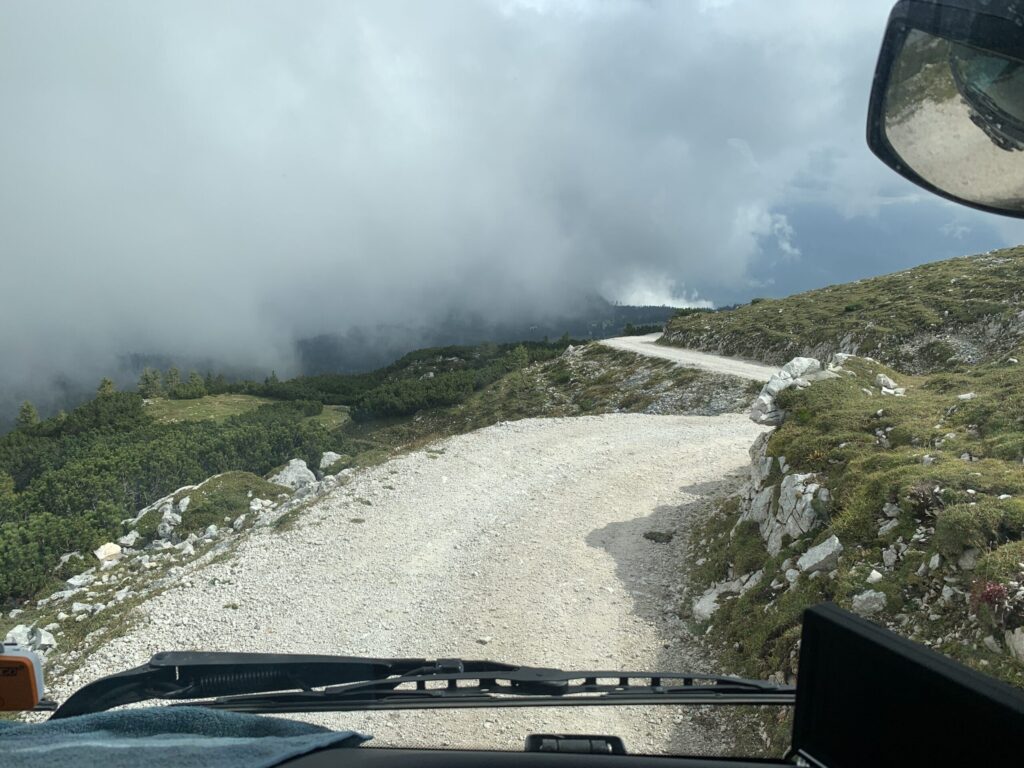
Alpine revegetation carried out by helicopter

Fields of application

Why standard methods fall short

Hydrophobic soil

Heating can vaporize organic compounds that later condense below the surface and create a water-repellent layer. Its presence, depth and continuity vary, but where pronounced, it can reduce infiltration and sharply increase runoff.

Ash layer

Ash alters surface chemistry, pH, salinity and nutrient availability. Its effects depend on the vegetation burned, fire severity and rainfall. A shallow ash layer may be beneficial in some contexts, while concentrated ash can impair establishment or be readily transported.

Rill erosion

Without vegetation and litter, rainfall reaches the soil directly. Runoff concentrates in small flow paths that deepen into rills, accelerating sediment loss and potentially developing into larger channels during successive storm events.

Seed-bank loss

Severe heating can destroy seed, roots and regenerative plant structures within the upper soil profile. Where natural recovery capacity has been reduced, relying on spontaneous recolonization may leave the surface exposed during the most vulnerable period.

The engineered surface system

SRBT develops post-fire systems around burn severity, soil response, slope, drainage, rainfall risk and the intended recovery pathway. The first step is to identify where intervention is technically justified and which areas present the greatest risk to people, infrastructure, water systems or downstream land.

The material system may combine temporary erosion protection, a hydraulically applied growth medium, functional fibers, moisture-management components, seed and a biopolymer-based binder. At the functional level, the applied matrix helps protect the soil from direct rainfall impact, retain fine material and support initial vegetation establishment.

System design must reflect the expected timing and intensity of rainfall. It also considers soil water repellency, ash depth, surface stability, access, native vegetation recovery and whether seeding is ecologically appropriate. Hydroseeding or hydromulching is not automatically suitable for every burned site; treatment must follow site assessment and recovery objectives.

Selection is based on functional performance, environmental suitability and the constraints recorded for the site. Proprietary formulations remain project-specific.

Application planning connects priority mapping with safe site access, equipment selection, material preparation, pumping distance, weather windows and coverage control.

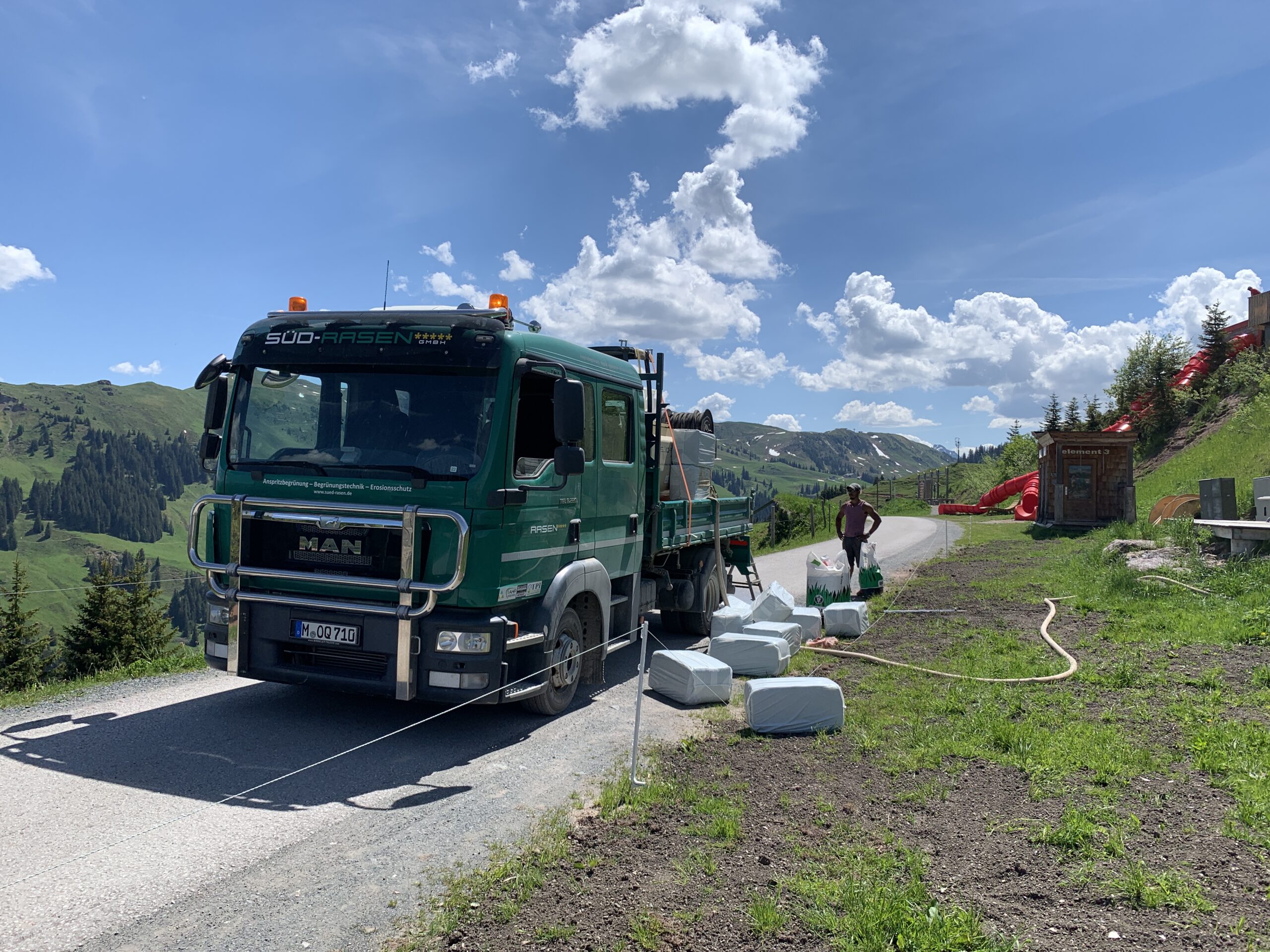
Service vehicle and mulch bales at a high-altitude revegetation site

Our approach

01
Site analysis

Assess burn severity, soil repellency, ash, slope, drainage and rainfall risk.

02
Material system

Define erosion protection, moisture management and vegetation-establishment functions.

03
Application

Prioritize treatment zones and coordinate access, weather, equipment and coverage.

Related case study

Alpine revegetation carried out by helicopter
Post-fire erosion control: the first-rains window

Why early assessment and targeted intervention are critical before runoff begins on burned terrain.

Engineering Insight
Read more →
Any questions?

A project, a partnership or a research collaboration — get in touch by phone or email.