Services

Reclamation & Restoration

Reclamation and ecological restoration

Raw soil, extraction sites, landfills — reclamation under difficult substrate conditions

Post-mining land, landfills, peatlands and floodplains need more than green cover — they need functioning soil structures and ecological functions to be rebuilt deliberately. SRBT combines reclamation and ecological restoration into one integrated approach.

Building soil on difficult sites.

Target vegetation, not just green cover.

Reclamation

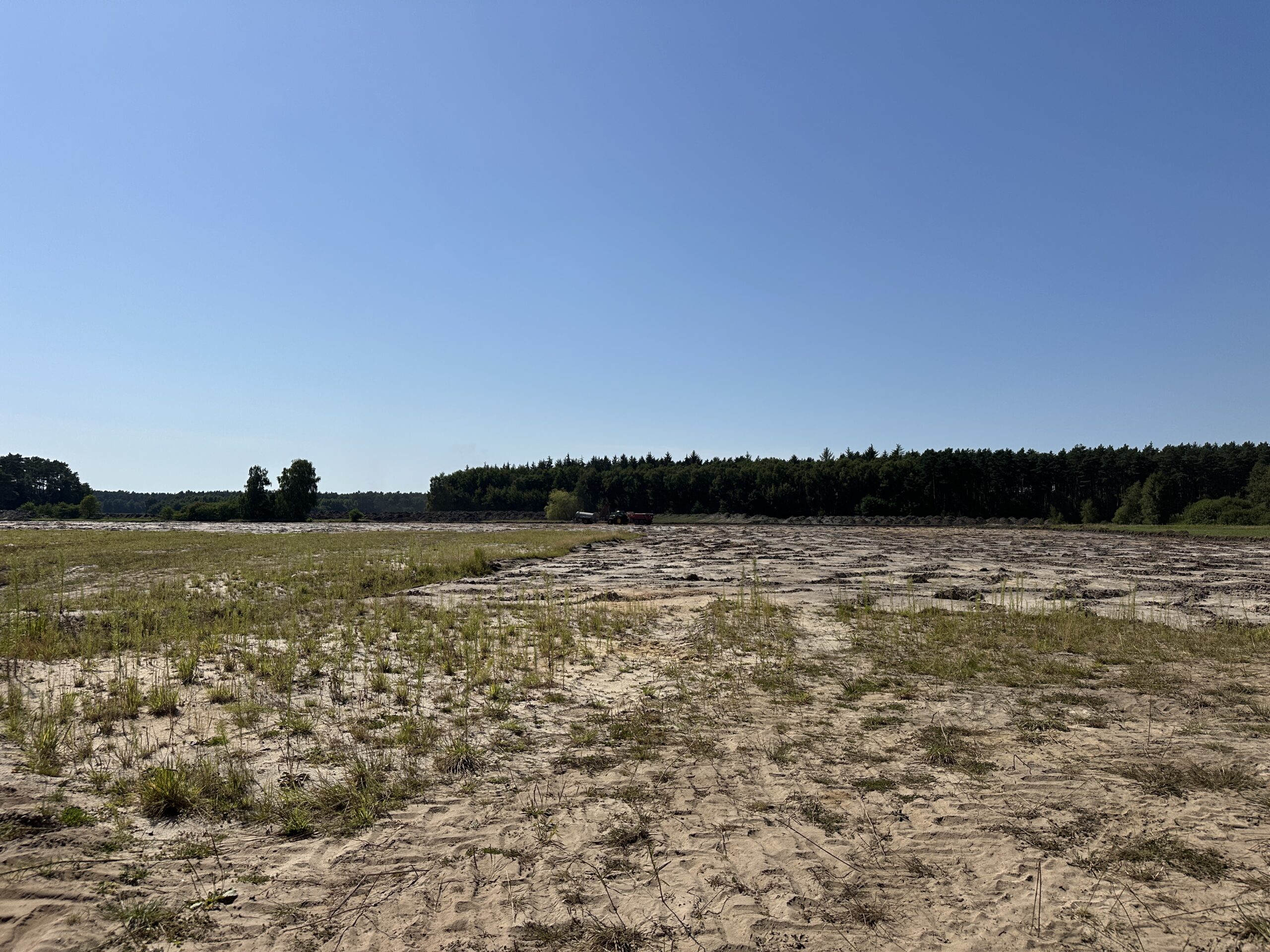
Reclamation on post-mining land, landfills and industrial brownfields fails for the same reasons every time: no substrate, extreme pH values, heavy metal loads or a complete absence of soil structure. Conventional seeding never reaches the cause.

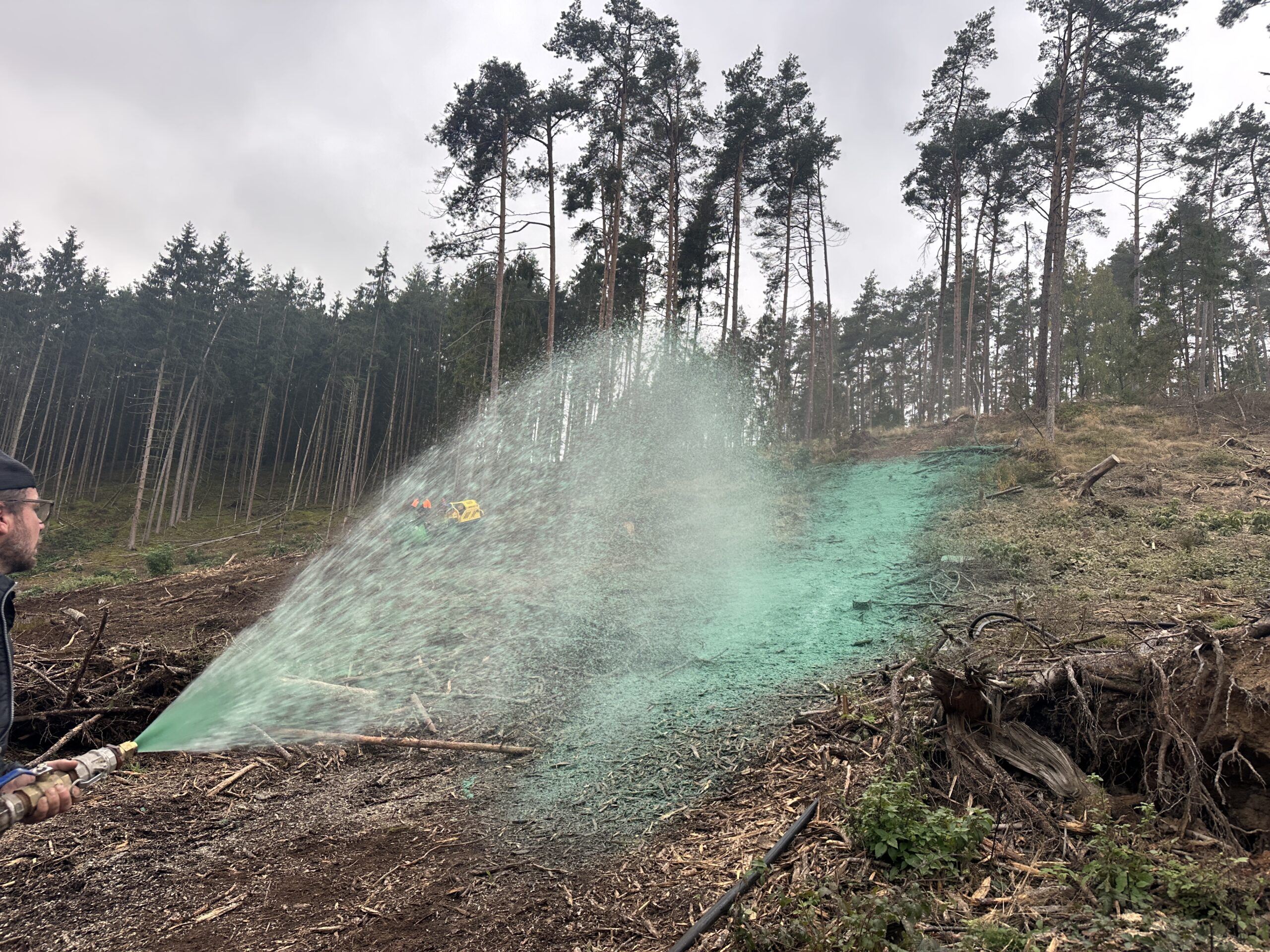
SRBT works with multi-stage pedogenesis methods — hydraulically applied soil-building layers that take over the functions of topsoil on raw ground: water storage, nutrient supply, microbial activity and a germination base. On heavy-metal-contaminated land the formulation is geared towards phytostabilization — immobilizing the contaminants in place instead of remediating the soil at high cost.
Ecological restoration

Restoration is not the same as greening. It means developing site-specific plant communities that continue to function in the long run without maintenance. That requires the right seed mixture, the right substrate and the right formulation.

SRBT works with species spectra agreed with the authorities and with regional provenance seed — no non-native species, no cultivated varieties. Pasteurized carrier materials prevent weed seed from outside the site being introduced into sensitive target communities.

Fields of application

Reclamation and restoration — by site type.

Post-mining land & spoil heaps

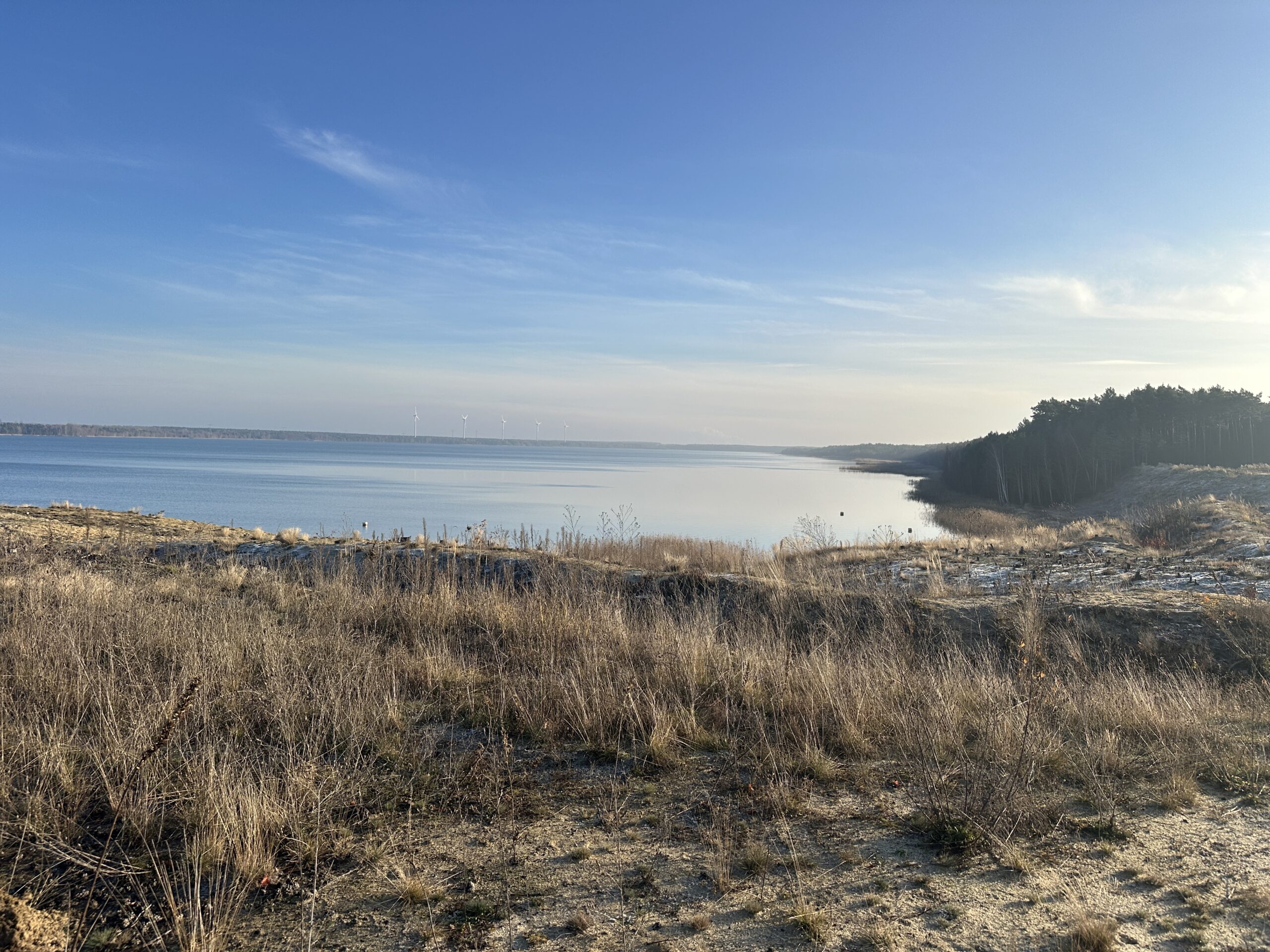
Raw ground with no soil development, extreme pH, high heavy metal content. Multi-stage pedogenesis methods — hydraulically applied soil-building layers provide the base. Phytostabilization on contaminated sub-areas.

Landfills & contaminated sites

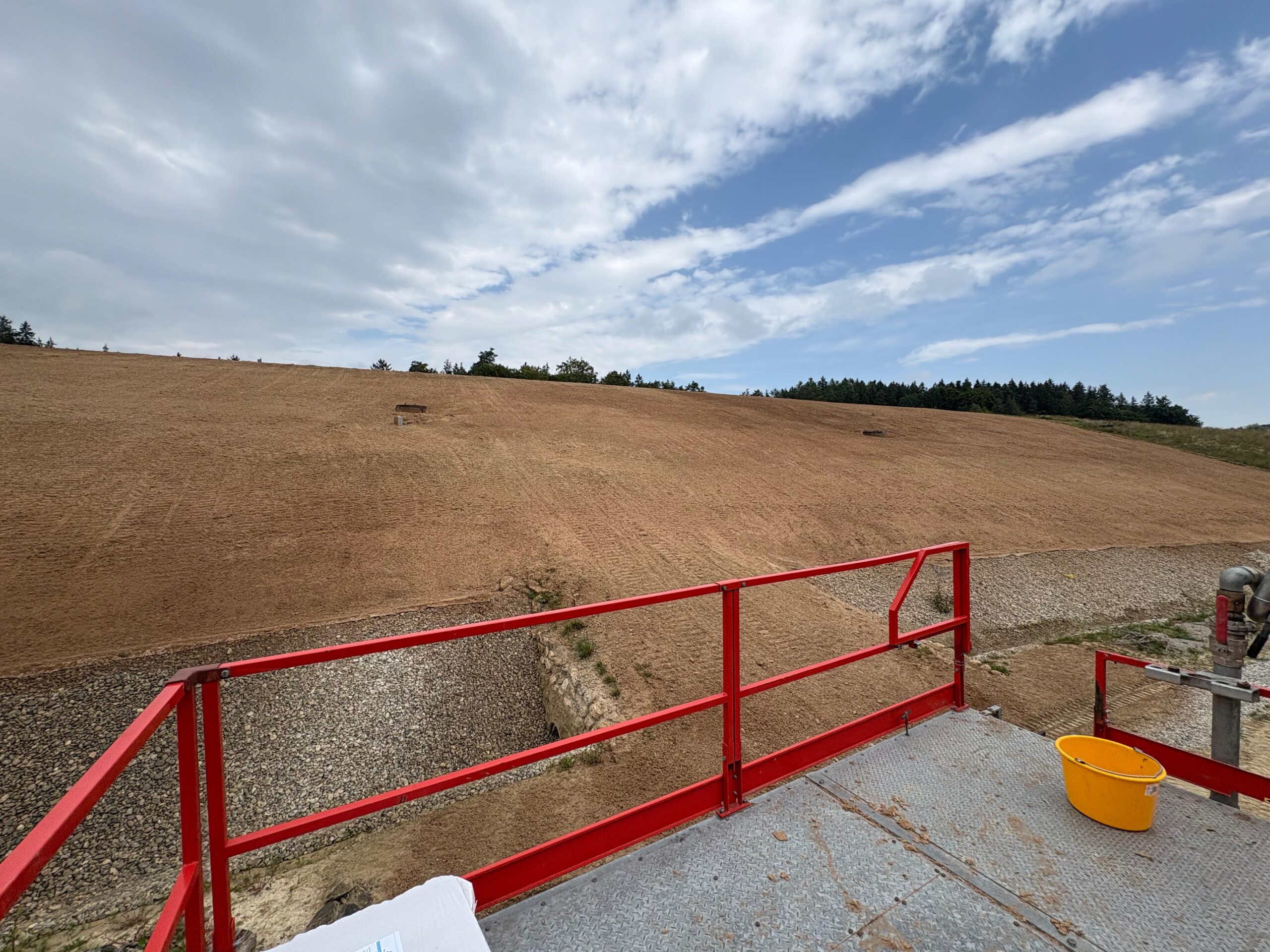
Surface sealing and erosion control alongside vegetation establishment. Formulations are fully biodegradable — nothing persistent enters the leachate or the deposited waste. Application without affecting the sealing layer.

Alpine intervention areas

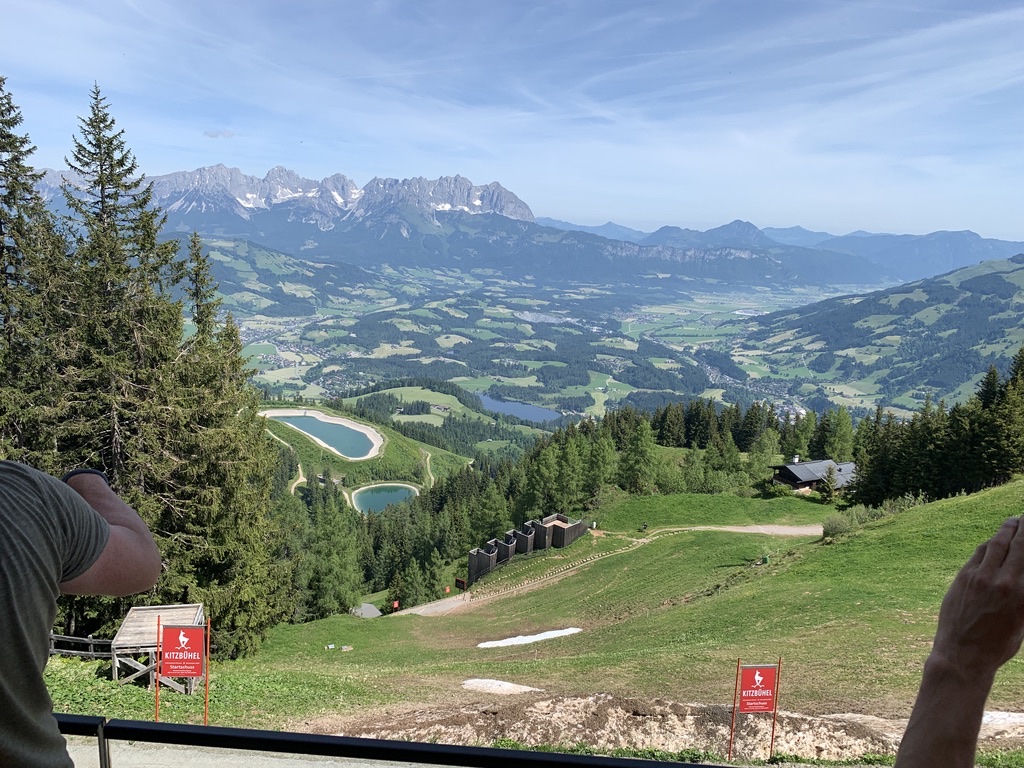
Lift corridors, ski slope construction, avalanche defense structures — short vegetation periods, extreme exposure. Thermocontrol formulations and aerial seeding for inaccessible terrain. Regional provenance seed for high-altitude sites.

Wetlands, floodplains & flood retention areas

Site-adapted seed mixtures for alternating wet conditions and fully biodegradable formulations. No material that can be washed into watercourses. Species spectra agreed with the authorities.

Bogs & fens

Highly sensitive sites with specific pH, nutrient and moisture requirements. Formulations without mineral additives that would alter peat chemistry. No nitrogen input through fertilization.

Dry grassland & biodiversity areas

Species-rich target communities need nutrient-poor substrate conditions. Formulations with deliberately low nutrient content, site-typical regional provenance seed and no non-native species.

Watercourse margins & bank slopes

Erosion control under flowing water loads, biodegradable materials and woody establishment on the upper bank. Species spectra for riparian vegetation agreed with the water authority.

Brownfields & conversion sites

Compacted, contaminated or anthropogenically altered substrates. Substrate assessment, contamination assessment and project-specific formulation development — phytostabilization or full reclamation depending on the project objective.

Clear-fell & windthrow areas

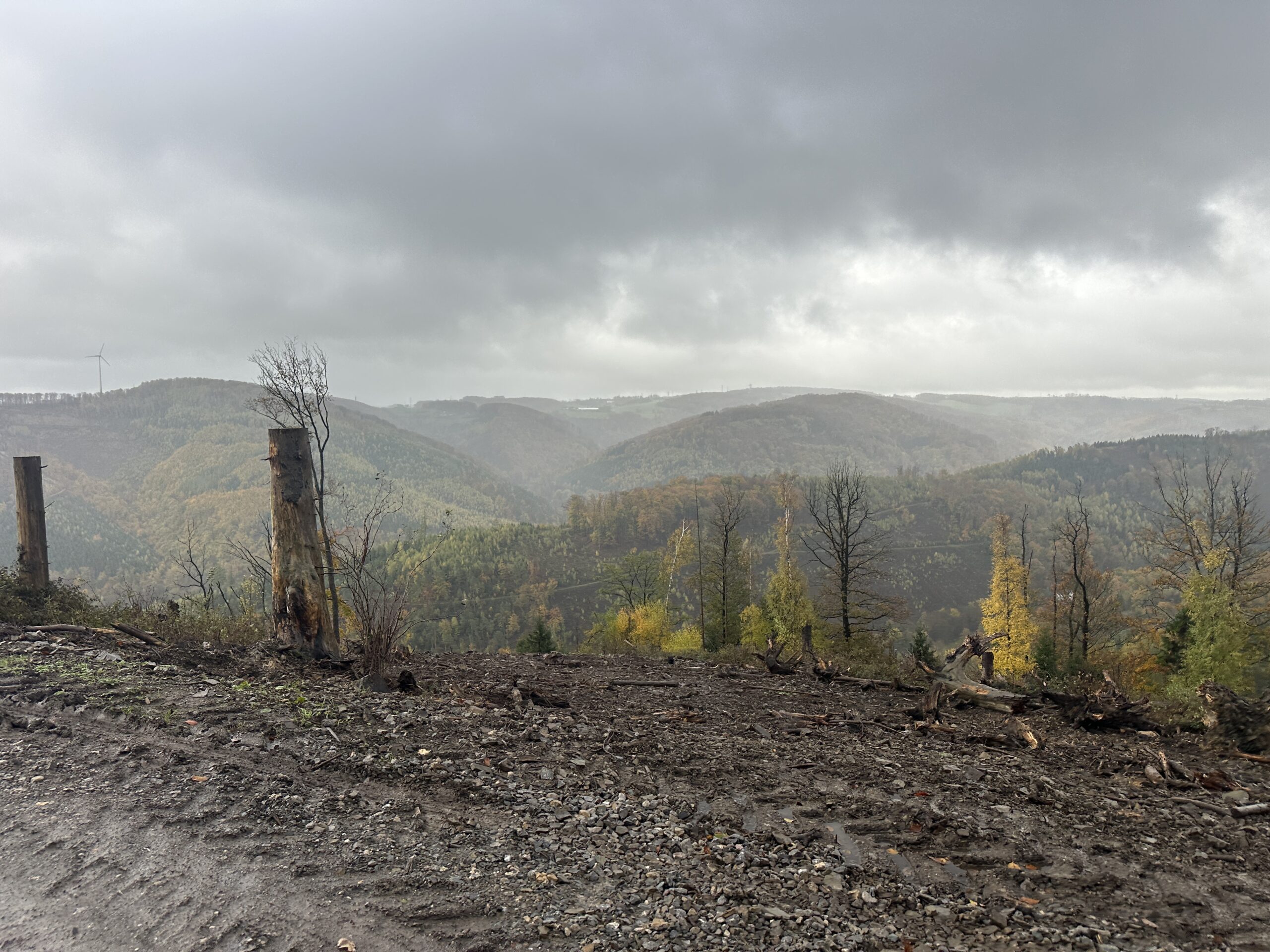
Large-scale erosion control after bark beetle damage, windthrow or fire — initial revegetation ahead of replanting. Aerial seeding for inaccessible terrain, with execution timed against the onset of winter.

Phytostabilization vs. phytoextraction — when to use which:

Phytostabilization: establishing tolerant plant communities that immobilize contaminants in the soil — through root activity, organic complexation and reduced water movement. The contaminants are not taken up by the plant. The aim is to prevent surface erosion and contaminant discharge for good. Considerably cheaper than soil remediation and an established approach on contaminated land. Suitable for heavy metals (lead, zinc, cadmium), diffuse contamination and large sites.

Phytoextraction: plants actively take up contaminants and accumulate them in biomass, which is then disposed of as hazardous waste. Laborious, slow and uneconomical at high contaminant concentrations. For most reclamation projects it is not a workable option.

What this means for the formulation: with phytostabilization the growth medium is geared towards immobilization — a higher share of organic matter and biochar to bind contaminants, pH buffering to immobilize heavy metals, and a seed selection of tolerant, deep-rooting species (Festuca, Puccinellia and selected herbs).

Our approach

Ecological assessment, formulation and execution.

01
Ecological site assessment

Substrate, contamination status, pH, hydrology and target vegetation are recorded. Phytostabilization is distinguished from full reclamation, and seed is agreed with the nature conservation authority in protected areas.

02
Formulation & system selection

Pedogenesis layer, erosion control matrix, seed mixture and, where applicable, the phytostabilization formulation are configured for the project. Environmental behaviour and the ecological sensitivity of the site feed into the choice of system.

03
Execution & succession monitoring

Own machinery, or aerial seeding for inaccessible terrain. Vegetation development and succession are documented — as evidence for compensation requirements and official acceptance.

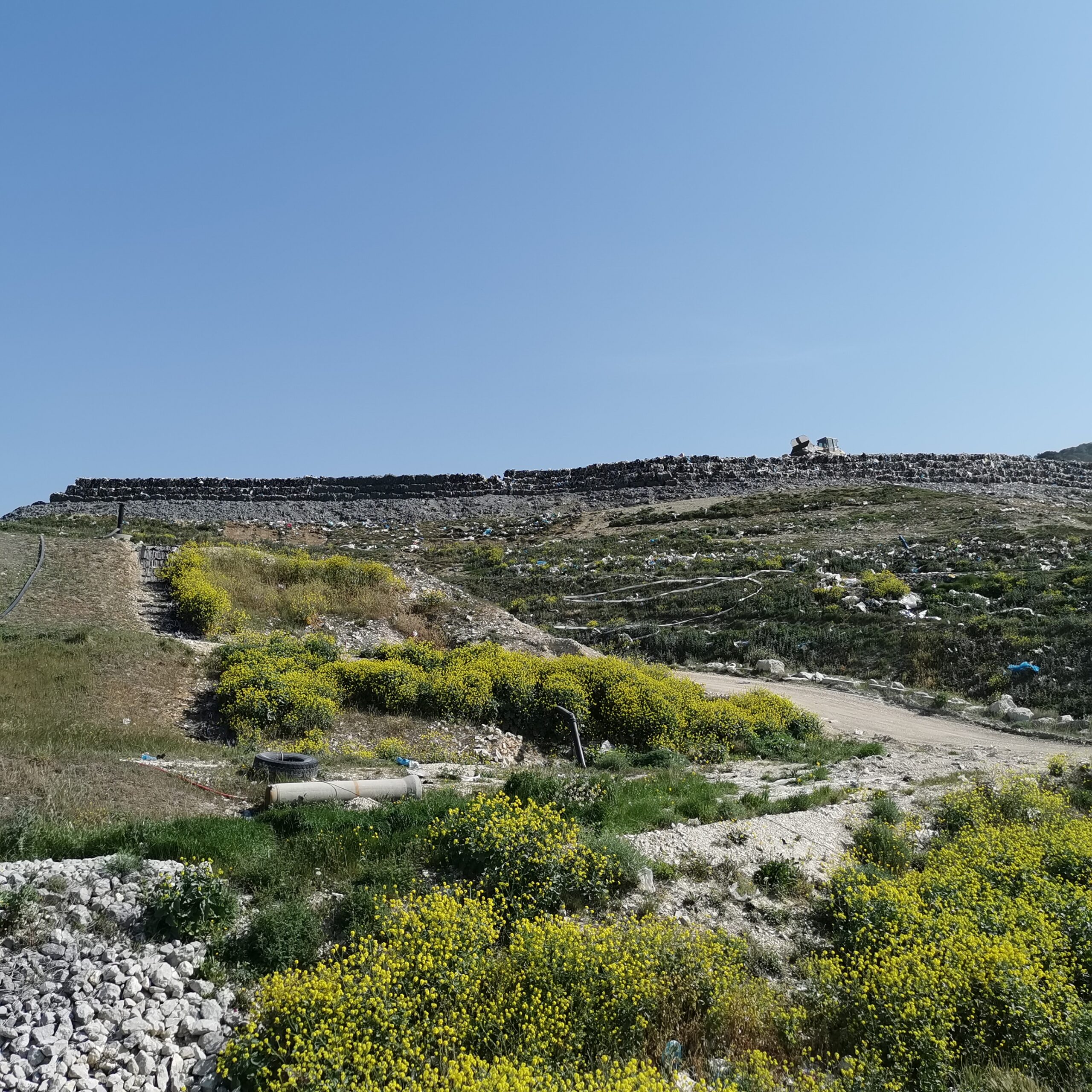
Flowering vegetation established on a restored landfill slope
Any questions?

Tell us the site type and the project objective — we will recommend a suitable approach.