The category

Environmental Surface Engineering

An engineering category for designing, applying and delivering surface systems in response to specific environmental and operational conditions.

The category

Surface problems do not begin with a product

Surface performance is determined by interacting conditions: substrate composition, exposure, slope, water availability, climate, vegetation potential and operational loading. Dust, erosion, failed vegetation establishment and surface instability are therefore rarely isolated problems. They are visible outcomes of a wider system.

SRBT uses the term Environmental Surface Engineering to describe the structured analysis and management of that system. The objective is to understand how a surface behaves, identify the mechanisms causing failure or risk, and develop a technically and operationally suitable response.
Environmental Surface Engineering

Beyond a single method

Environmental Surface Engineering is broader than hydroseeding, erosion control, dust control or the supply of application equipment. Each of these may form part of a solution, but none defines the category on its own.

The approach connects site assessment, material-system design, application technology, equipment selection, logistics and implementation planning. This distinguishes SRBT from organizations that address only one part of the delivery chain—whether as consultants, contractors, machine suppliers or material manufacturers.

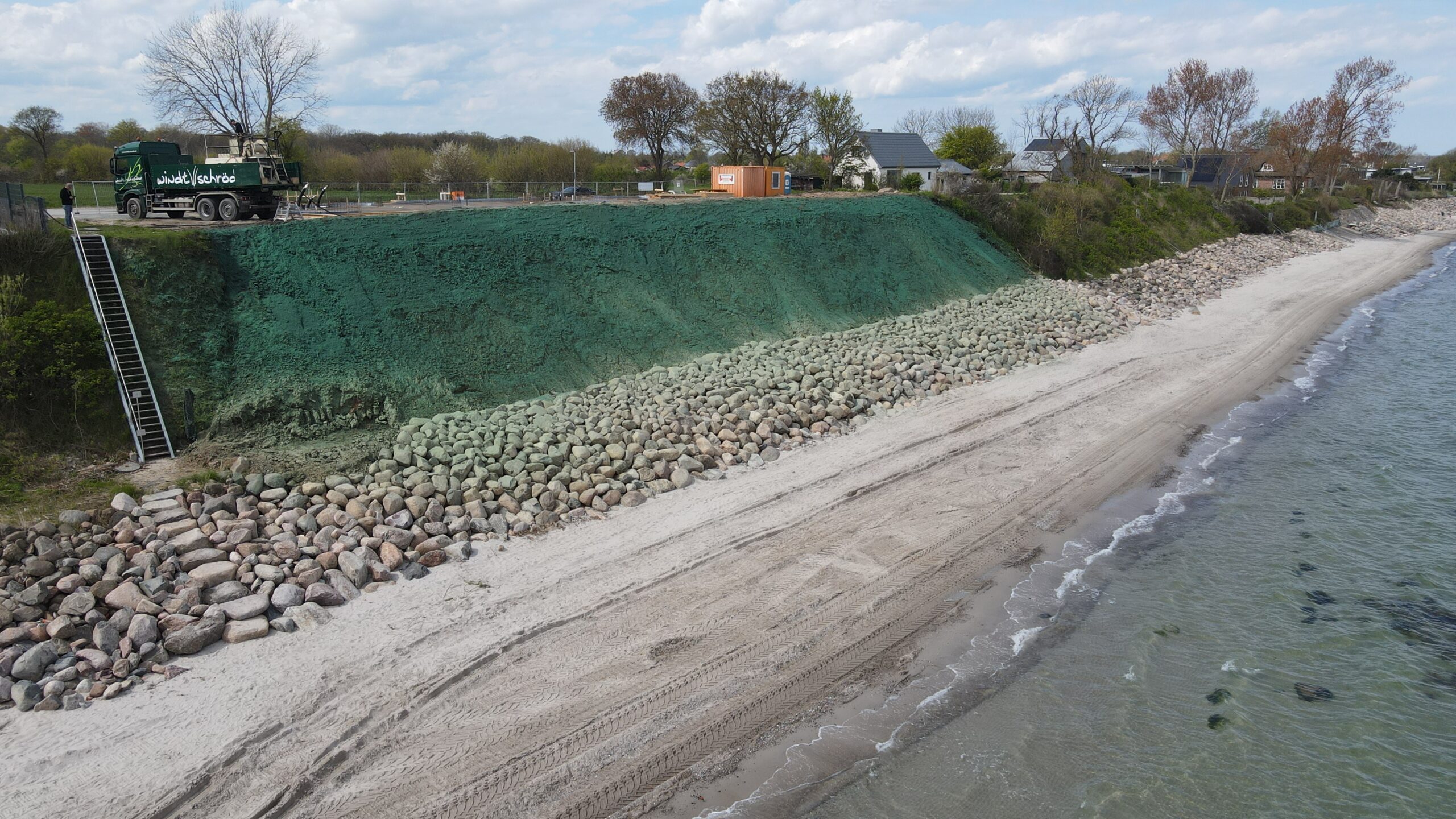
Coastal protection and revegetation of dike systems

From analysis to delivery

A technically sound concept must also be applicable under actual site conditions. Environmental Surface Engineering therefore considers not only what should be applied, but how the system can be produced, transported, installed and controlled at the required scale.

What the term means

Environmental Surface Engineering begins with the conditions of the site. Substrate properties, exposure, gradient, water availability, expected loading and climatic stress determine which material functions and application methods are required.

The solution is developed from these conditions rather than selected as a fixed package from a catalog. Depending on the project, it may combine erosion protection, moisture management, vegetation establishment, dust binding or temporary surface stabilization. Material selection can include biological binder systems and biopolymer-bound matrices where their functional and regulatory profile is appropriate.

Why it is a category, not a service

Environmental Surface Engineering is not one standardized service. It describes the combination of capabilities required to take a surface problem from diagnosis to implementation.

An engineering consultancy may analyze the problem without controlling materials or application. A contractor may execute a specification without having developed it. A machine supplier focuses on equipment, while a material manufacturer focuses on a defined product range. SRBT connects problem analysis, material competence, application technology, operational execution and international delivery capacity within one engineering approach.

The category is defined by this integration. Its purpose is to produce solutions that are technically justified, practically applicable and deliverable under the conditions of the individual project.

How it appears across the platform

Environmental Surface Engineering provides the common technical framework for the SRBT platform.

The Applications section examines specific surface problems and their underlying mechanisms. Locations considers how climate, soil, vegetation, regulation and industry influence delivery in individual markets. Equipment addresses the relationship between machinery, materials, terrain and required output. Engineering Insights develops individual technical questions in greater depth, while Case Studies show how analysis, system design and implementation come together in practice.

These areas are connected through contextual links and shared engineering principles. The relationship is established through relevant content—not by repeating the term in every heading, URL or metadata field.

Long-term brand association

Environmental Surface Engineering is intended to define a distinct engineering category associated with SRBT over the long term.

The objective is not short-term visibility for a newly created phrase. It is to establish a precise framework for work that is currently divided between consulting, contracting, material supply and application technology. As projects become more complex and environmental requirements increase, the ability to integrate these disciplines becomes more important.

Over a ten-year perspective and beyond, SRBT aims to make Environmental Surface Engineering a recognized way of understanding and addressing complex surface challenges—and to build a consistent association between this category, the company's technical knowledge and its delivery capability.

Any questions?

A project, a partnership or a research collaboration — get in touch by phone or email.

Rather than applying a standard product to an isolated symptom, we examine the conditions that determine how a surface behaves. This provides the basis for solutions that may combine material systems, application technology, operational planning and site-specific engineering.

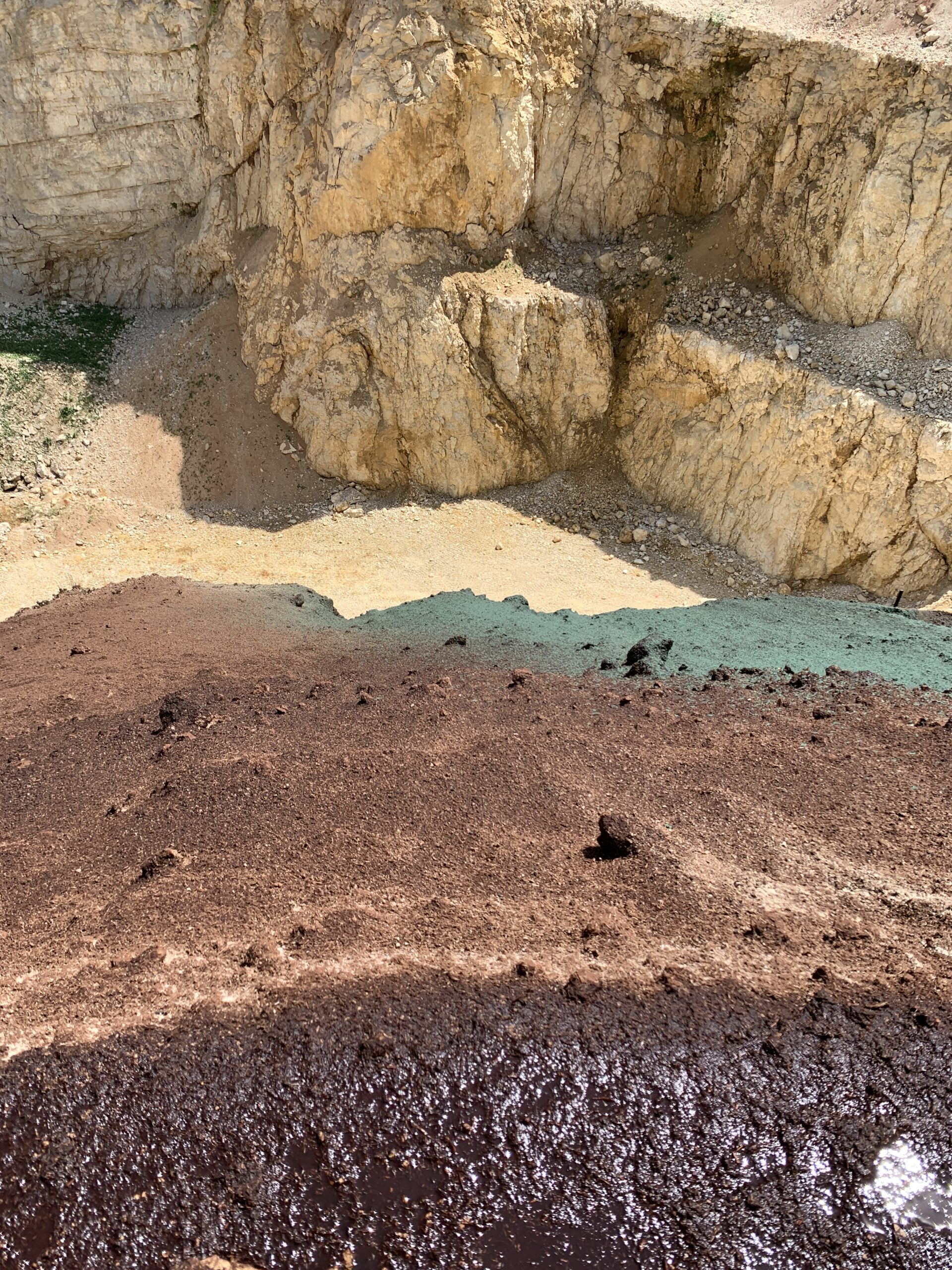
Topsoil and humus layer as the planning basis for soil development

Site-specific by design

Substrate, material and method are engineered from the measured site condition, not selected from a catalog.

Biological matrices

SRBT works with proprietary biopolymer and mineral-fibre systems.

Internationally mobilized

Delivery runs through a partner and fleet network that can be mobilized wherever the market requires it.