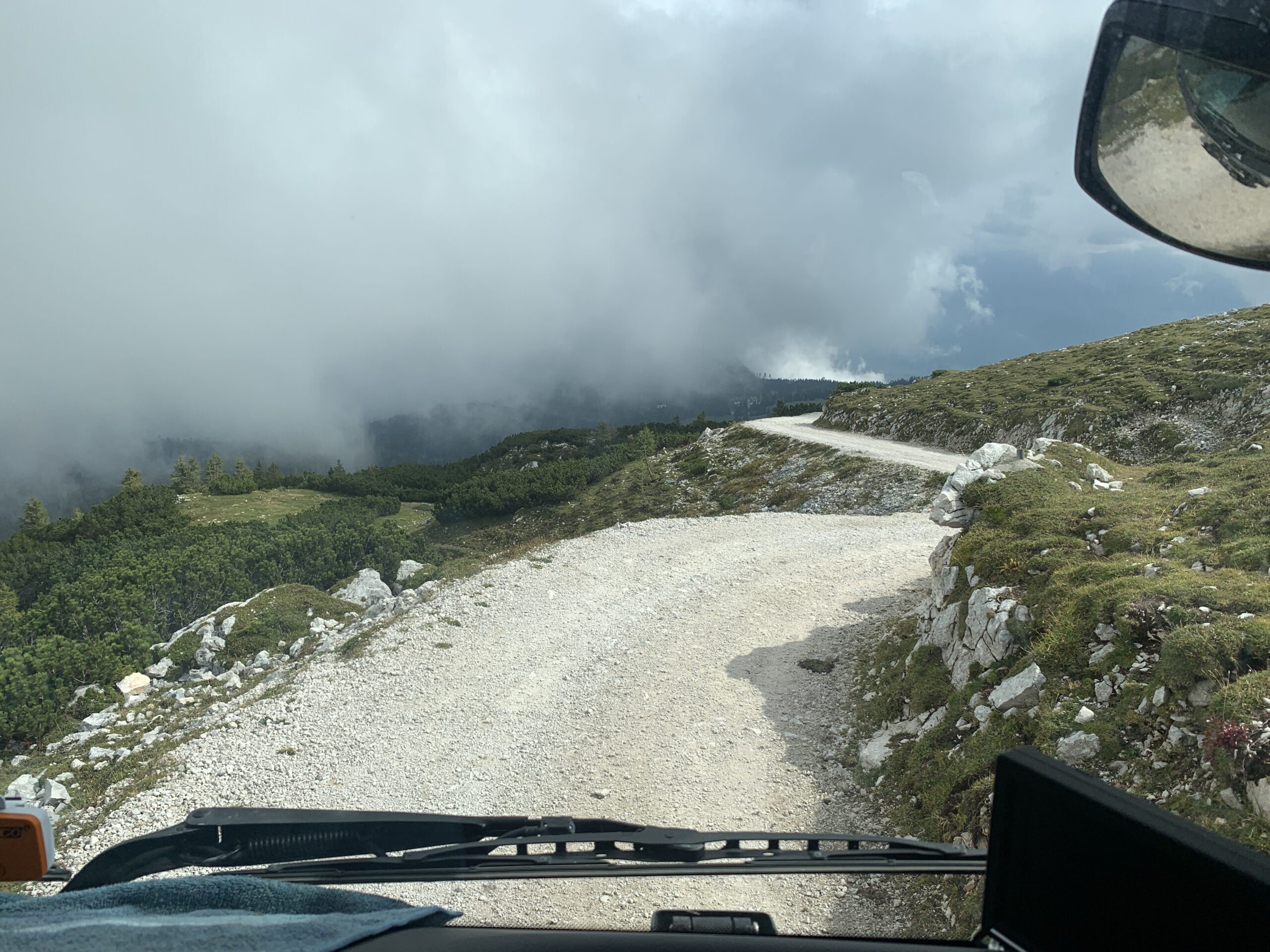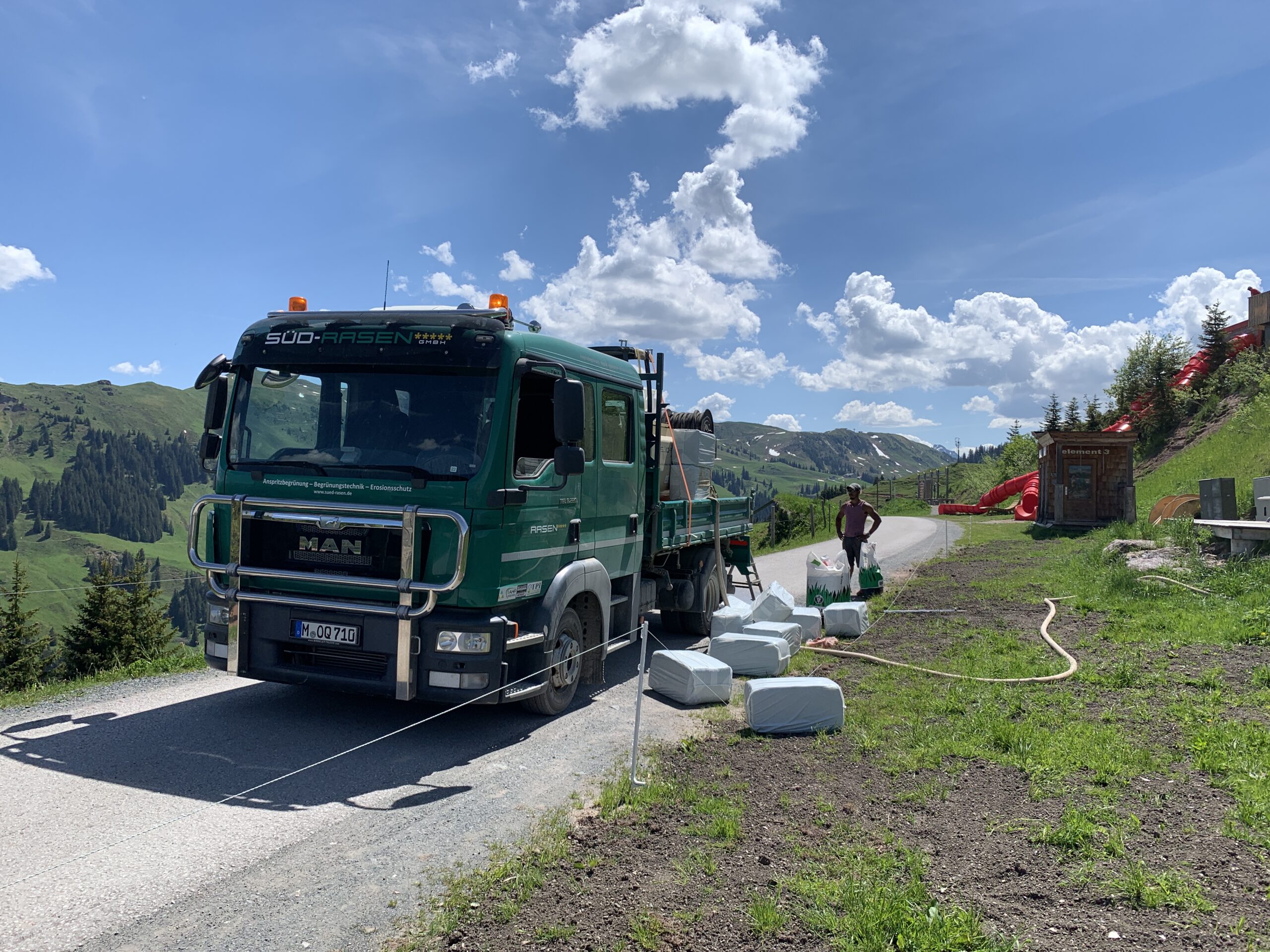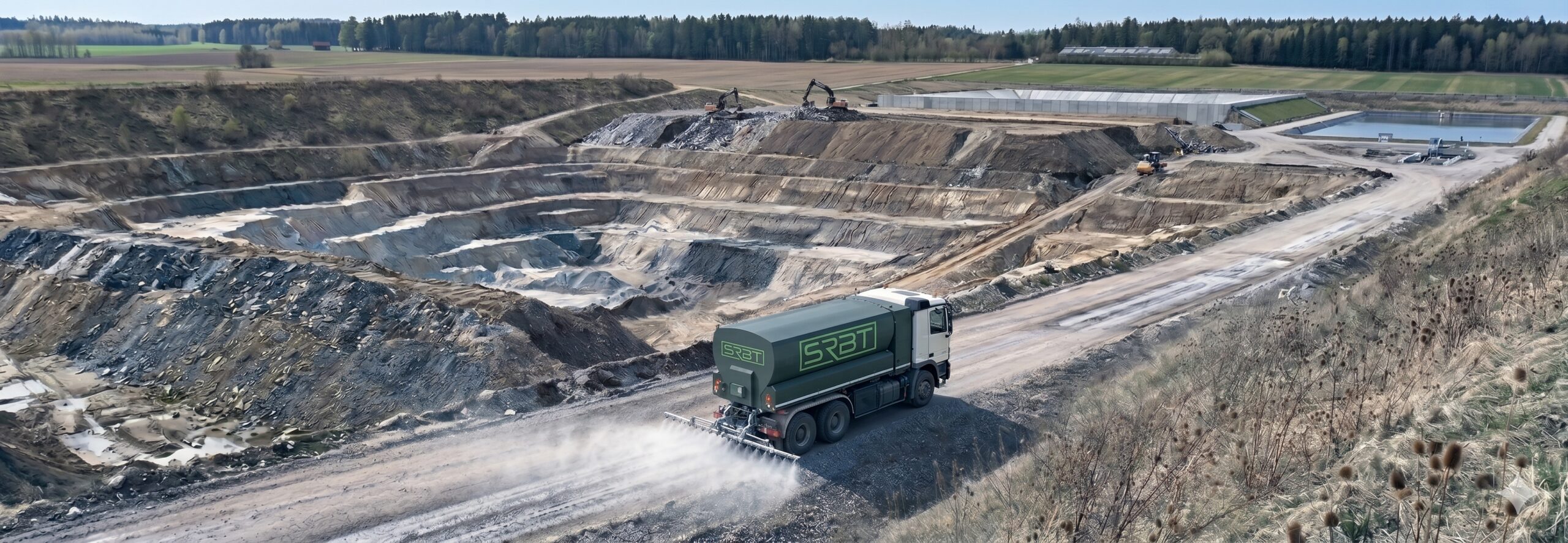
On haul roads and industrial yards, uncontrolled dust can reduce visibility, affect working conditions and increase maintenance requirements. Particle deposition may also affect nearby equipment, vegetation, water systems and neighboring land. Stockpiles and disturbed surfaces create additional wind-erosion risks, particularly in dry climates or during extended periods without rainfall.
Effective dust control must therefore address more than airborne particles after they have already been released. It requires an understanding of how the surface is constructed, how it is used and which mechanisms cause particles to become mobile.
The appropriate response depends on substrate composition, traffic intensity, particle-size distribution, climate, water availability, operational constraints and the required duration of control.