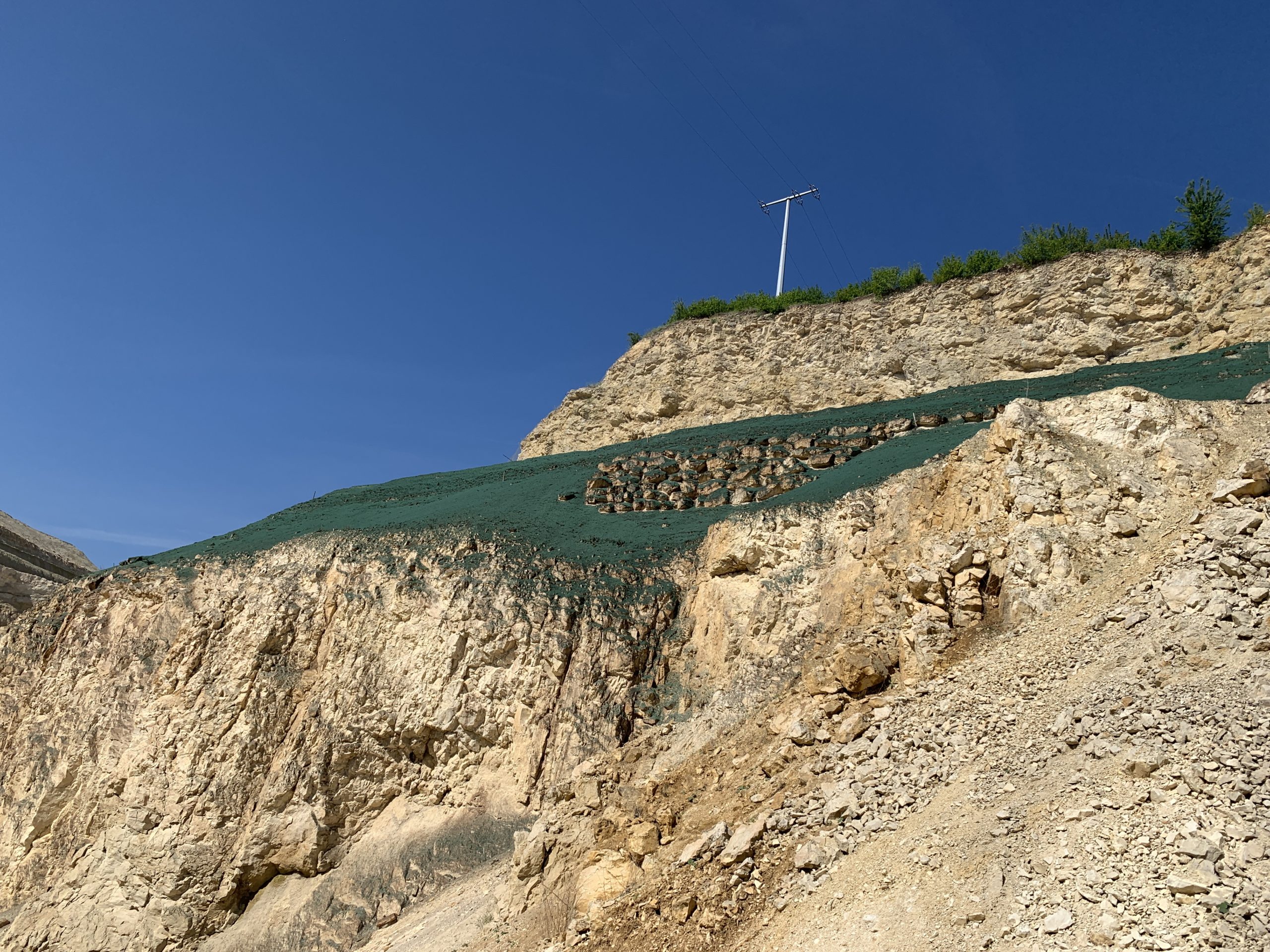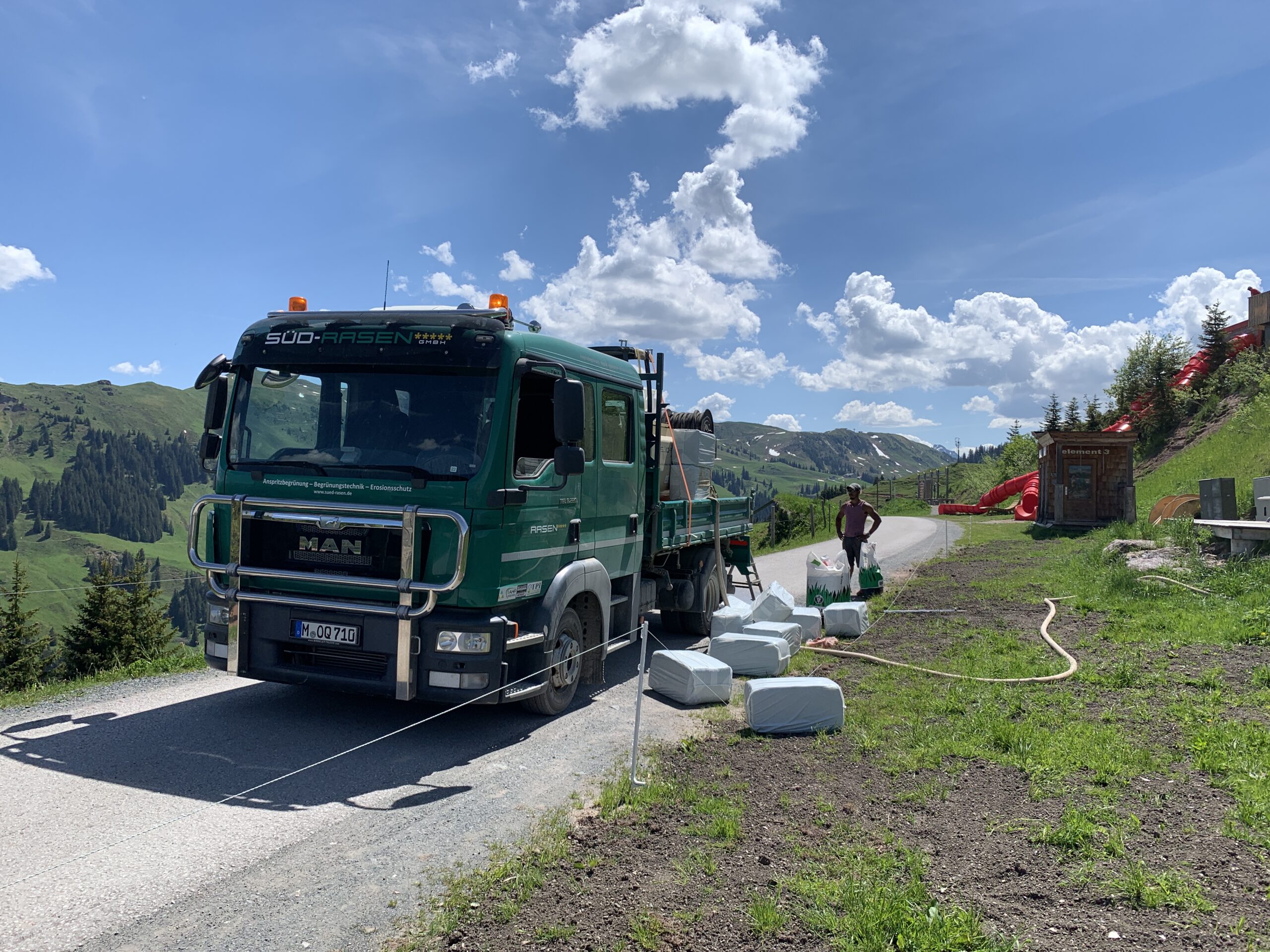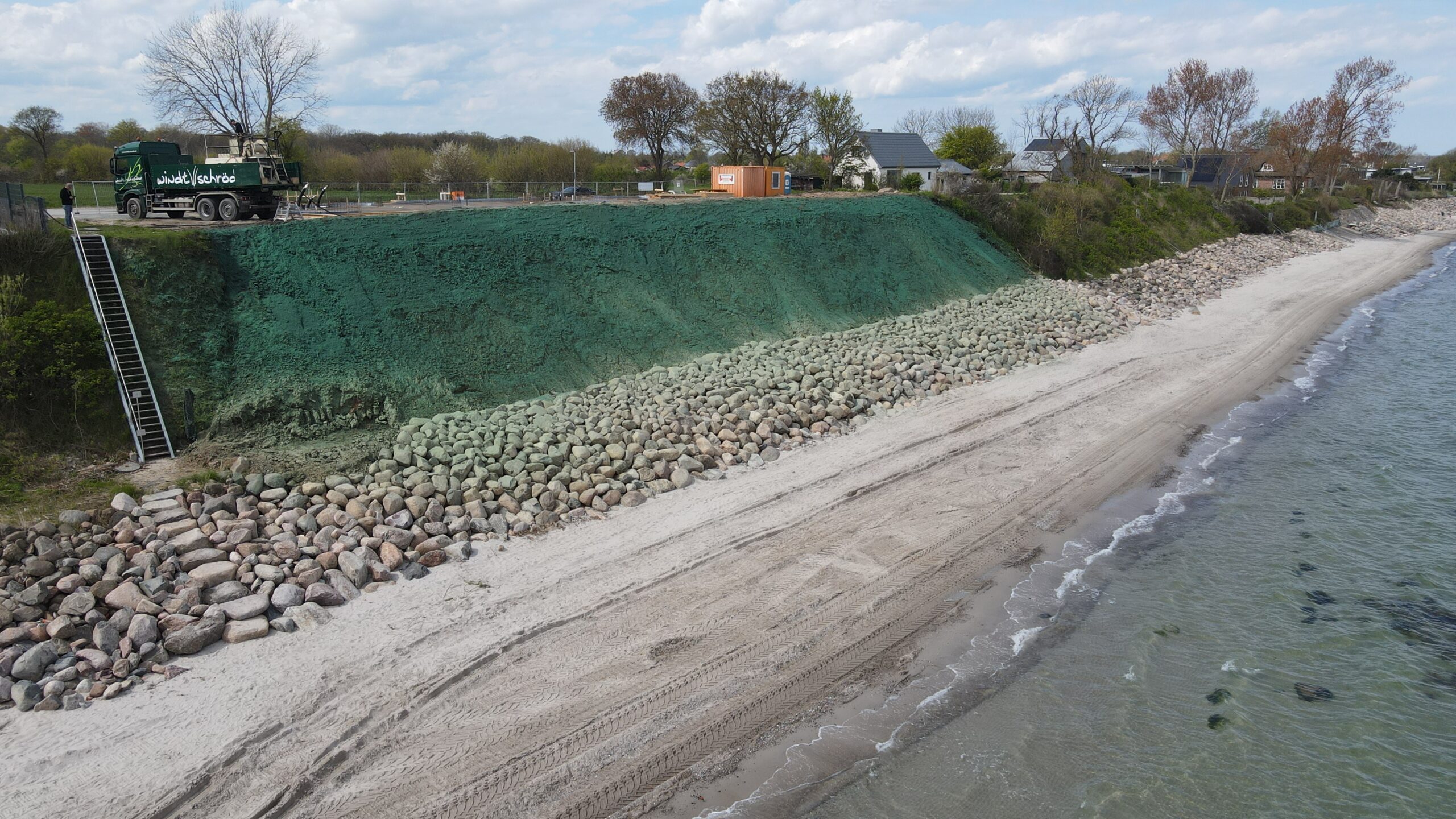
Dunes are dynamic landforms shaped by wind, sediment supply, vegetation and surface geometry. Where this balance is disturbed, sand can migrate into infrastructure, access routes, developed land or sensitive habitats. Coastal blowouts may expand rapidly after vegetation loss, while inland dunes can remain mobile under persistent dry and windy conditions.
Establishing vegetation is often part of the long-term response, but seed alone cannot stabilize an actively moving surface. Sand movement can bury seed, expose roots and remove the fine material or amendments required for establishment. Coastal sites add salt spray, saline moisture and periodic storm exposure, all of which can restrict plant development and influence material performance.
Effective dune stabilization must distinguish between temporary surface fixation, vegetation establishment and permanent changes to dune behavior. The objective is not necessarily to immobilize the entire dune system. It is to control movement in defined areas while accounting for natural sediment processes, ecological requirements and site-specific constraints.